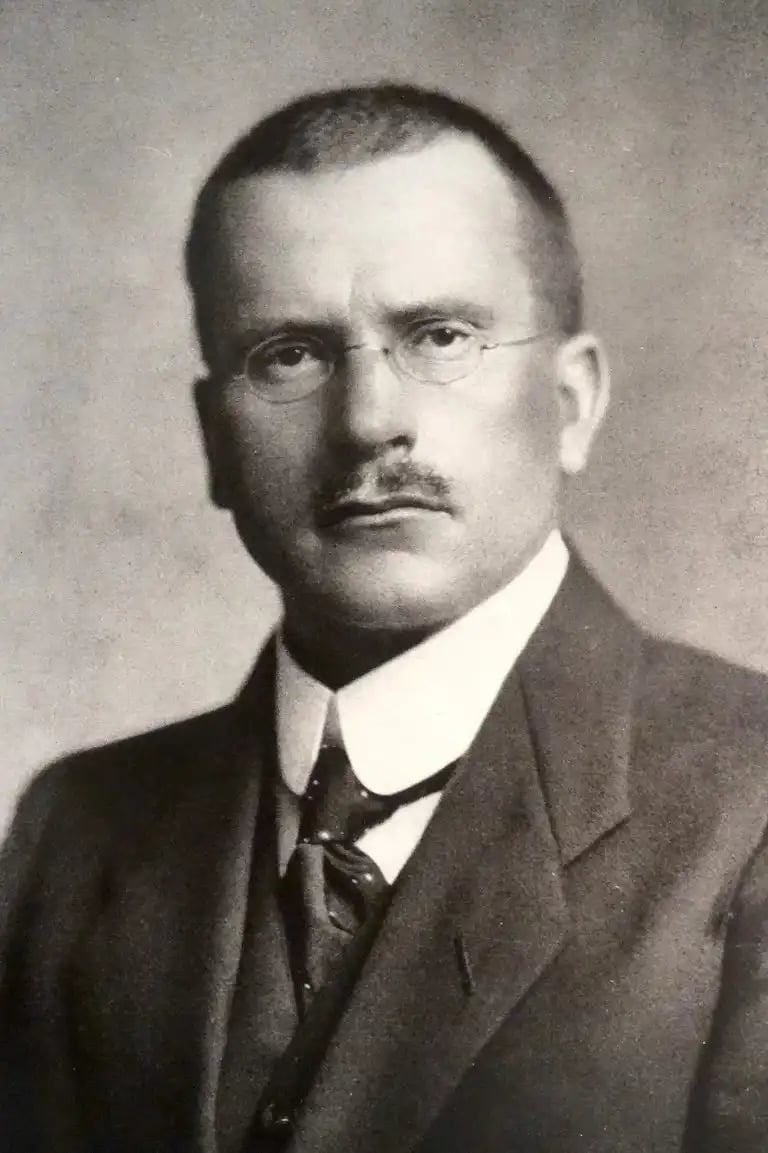
Carl Jung developed analytical psychology and introduced concepts that transformed our understanding of the human mind. His work on archetypes and the collective unconscious influenced psychology, literature, art, and religious studies. This post examines archetypes and how they shape human behavior, including the 12 archetypes described by Carol S. Pearson and Margaret Mark in "The Hero and the Outlaw."
Who Was Carl Jung?
Born in Kesswil, Switzerland, in 1875, Carl Jung grew up in a family of pastors before studying medicine at the University of Basel. While working at the Burghölzli Psychiatric Hospital in Zurich, he became fascinated with the unconscious mind, dreams, and the process of individuation.
Jung proposed that the unconscious mind shapes behavior and that humans share a collective unconscious containing universal patterns called archetypes. These archetypes appear across different cultures and societies, influencing how people think and act regardless of their background.
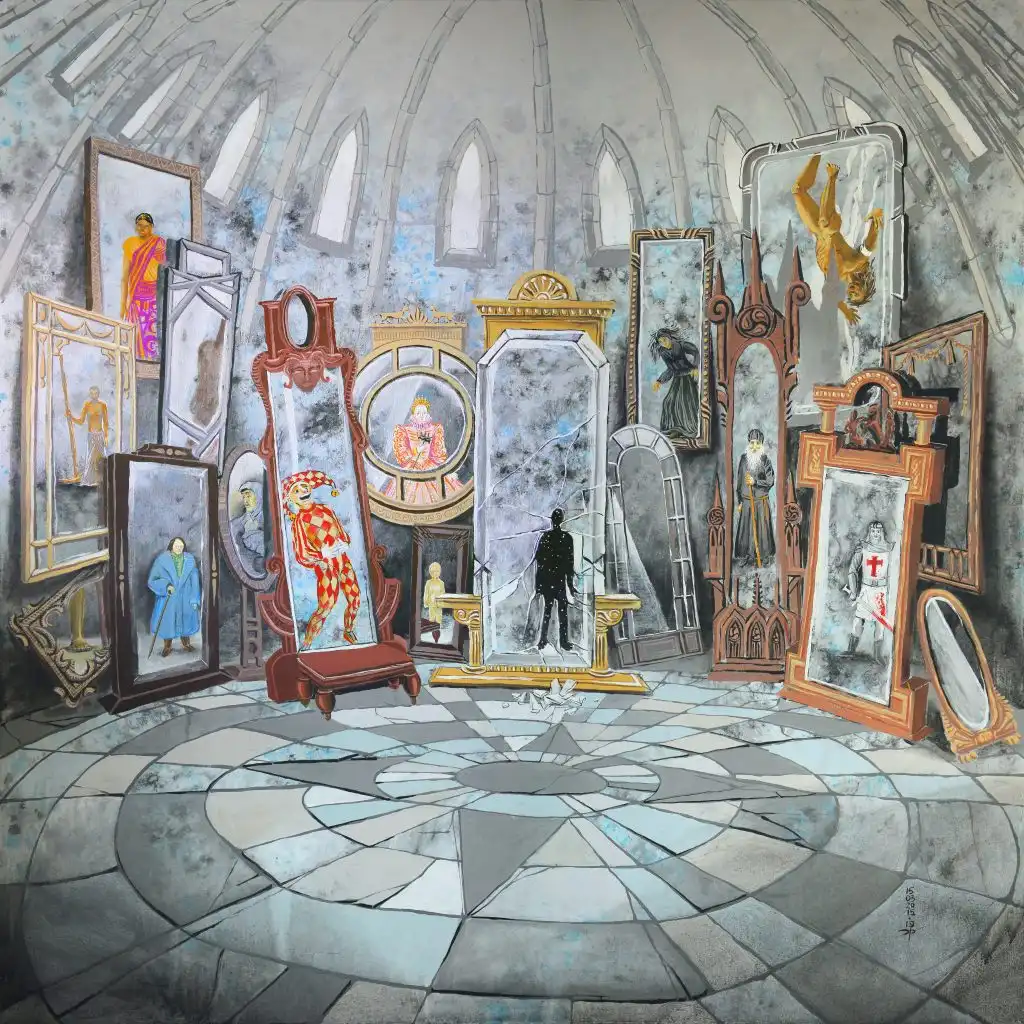
Photo by Дмитрий Хрусталев-Григорьев on Unsplash
What Are Archetypes?
Archetypes are universal patterns of behavior that appear across cultures. Jung saw them as tools for understanding ourselves and achieving individuation, a process of psychological integration and self-realization. He identified four primary archetypes: Persona, Shadow, Anima/Animus, and Self.
Persona
The persona represents the social mask we wear in different situations, at work, with friends, or in public. It reflects the roles we play in society and helps us adapt to various social contexts. While useful for navigating social situations, problems arise when someone becomes overly identified with their persona and loses connection with their authentic self.
Shadow
The shadow contains the parts of our personality we try to hide or deny, negative emotions, impulses, and desires that contradict our self-image. Failing to acknowledge the shadow can result in destructive behavior or projecting these qualities onto others. Recognizing and integrating shadow aspects leads to greater self-awareness and personal growth.
Anima/Animus
The anima/animus represents the feminine and masculine qualities present in all individuals, regardless of biological sex. The anima is the feminine aspect in men, while the animus is the masculine aspect in women. Jung believed these archetypes influence relationships and personal wholeness. Integrating these aspects creates greater internal balance and harmony in relationships.
Self
The self represents the totality of an individual's personality, encompassing both conscious and unconscious aspects. This archetype of wholeness connects to individuation, Jung's term for the process of becoming more self-aware, authentic, and psychologically integrated.

The 12 Archetypes of Mark and Pearson
Carol S. Pearson and Margaret Mark co-authored "The Hero and the Outlaw," a book on building brands using archetypes. Pearson is a psychologist and author, while Mark is a branding expert. They defined 12 archetypes, including the Innocent, the Explorer, the Sage, the Hero, the Outlaw, the Magician, the Regular Person, the Lover, the Jester, the Caregiver, the Creator, and the Ruler.
| Archetype | Description |
|---|---|
| Innocent | The Innocent archetype represents purity, goodness, and simplicity. Individuals with this archetype are optimistic, trusting, and hopeful. |
| Explorer | The Explorer archetype represents the desire for adventure, exploration, and discovery. Individuals with this archetype are curious, independent, and seek new experiences. |
| Sage | The Sage archetype represents wisdom, knowledge, and insight. Individuals with this archetype are intelligent, reflective, and seek understanding. |
| Hero | The Hero archetype represents courage, strength, and determination. Individuals with this archetype are brave, self-sacrificing, and strive for greatness. |
| Outlaw | The Outlaw archetype represents rebellion, independence, and freedom. Individuals with this archetype are nonconformist, daring, and challenge authority. |
| Magician | The Magician archetype represents transformation, creativity, and spirituality. Individuals with this archetype are imaginative and intuitive and use their powers to help others. |
| Regular Person | The Regular Person archetype represents the desire for belonging, connection, and community. Individuals with this archetype are down-to-earth, reliable, and value relationships. |
| Lover | The Lover archetype represents passion, romance, and sensuality. Individuals with this archetype are affectionate and intuitive and seek deep connections with others. |
| Jester | The Jester archetype represents humour, playfulness, and spontaneity. Individuals with this archetype are lighthearted, entertaining, and seek joy in life. |
| Caregiver | The Caregiver archetype represents compassion, nurturing, and selflessness. Individuals with this archetype are empathetic, supportive, and dedicated to helping others. |
| Creator | The Creator archetype represents innovation, imagination, and artistic expression. Individuals with this archetype are imaginative and passionate and seek to bring their ideas to life. |
| Ruler | The Ruler archetype represents power, authority, and leadership. Individuals with this archetype are confident and responsible and strive to create order and stability. |
The 12 Archetypes by Pearson and Mark
While Pearson and Mark's archetypes are commonly used in branding and marketing, they also apply to spirituality and psychology. In witchcraft or Tarot, archetypes represent different aspects of the human psyche and provide insight into personal situations. The Magician archetype connects to manifestation abilities, while the Sage relates to knowledge-seeking and self-awareness. Working with these archetypes helps people access inner wisdom and better understand themselves.
Critics argue that Pearson and Mark's system oversimplifies human personality and reflects a Western-centric viewpoint that may not apply to other cultures. Despite these limitations, many people find the system useful for self-understanding.
Conclusion
Archetypes provide valuable insights into human behavior and psychology. Through identifying and integrating archetypal patterns, we gain better self-understanding. Despite valid criticisms, the 12 archetypes described by Pearson and Mark remain a useful framework for exploring personality and relationships.
Related in this topic
More from Occult Art History & Symbolism — Start Here.
Symbolism
Discover the meaning of symbolism! Learn its origins, art and famous symbolist painters. Find hidden emotions in art.
Naïve Art
Naïve art: untrained artists created startling originality through simplified forms, vivid colors, and unfiltered imagination.
Art Informel
Art Informel: the European parallel to Abstract Expressionism. Dubuffet, Tàpies, and the art of the unformed and the raw.
Street Art
Street Art: from subway tags to gallery walls. Banksy, Keith Haring, and the art that reclaims public space.