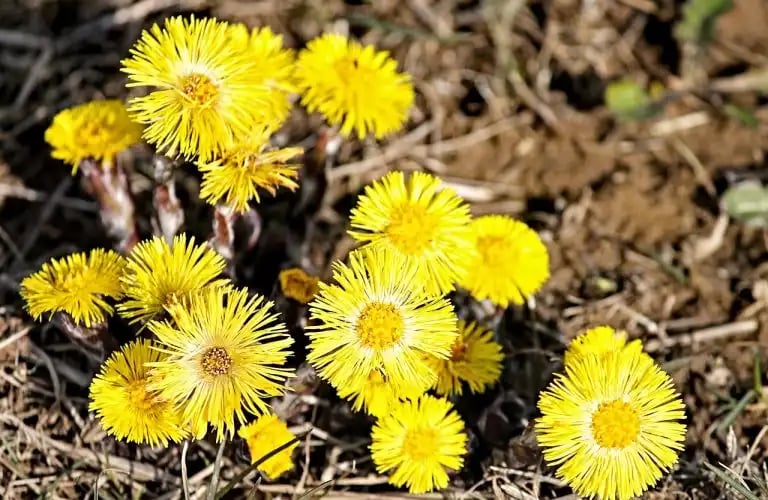
Ostara, one of the eight Sabbats on the Wheel of the Year, is a celebration of balance and harmony. This ancient pagan festival, observed during the spring equinox, on March 20th or 21st in the Northern Hemisphere (September 20th or 21st in the Southern Hemisphere), signifies the point where light and dark are in equilibrium. It's a time to feel centered and at peace, as the length of days and nights are now equal.
We think of spring as the season of change and renewal. It's when newborn animals take their first steps in the forests, flowers bloom, and trees bud. The outside world isn't the only place where changes can occur. Spring is also the season when many people experience inner transformation. After a long winter, you may feel restless, tired, or trapped. You may be ready to shake off the old and start anew, whether that means decluttering your home, revamping old plans, or finding new relationships.
Spring is the time to take action and turn thoughts and plans into reality. In this blog post, we'll explore ways you can embrace this season's energy, from gardening to reconnecting with loved ones. Whether you're looking to grow your own food, join a new group, or take a walk in the park, there are opportunities to connect with the vibrancy of spring and start fresh. So, let's dive in and discover how you can make the most of this season of renewal!
Origins of Ostara
Ostara, also known as Eostre, is a pagan holiday that marks the arrival of spring and the rebirth of life. It's named after the Germanic goddess Eostre, who symbolizes fertility, the rising sun, and the dawn. Eostre, often depicted as a young maiden with long hair and a crown of flowers, holds a basket of eggs or a hare in her hands, adding to the festival's character.
Scholars debate whether the goddess Eostre ever existed in old traditions or if she is a more modern interpretation. While some claim Eostre to be a Celtic goddess and others a Germanic one, there is little information about her. The first mention of the Goddess Eostre was by a Northumbrian monk named Bede in the eighth century. Bede admitted that his writings were his own interpretation rather than a generally agreed or proven fact. While most gods and goddesses have many myths and stories surrounding them, this cannot be said for Eostre, but that doesn't have to stop us from honoring her.
One of the most recognizable symbols of the Ostara holiday is the egg, which has long been a symbol of fertility and new life. Rabbits, known for their prolific breeding habits, are also associated with this holiday. These symbols are often woven into Ostara celebrations, with many people decorating eggs and creating rabbit-themed crafts to honor the holiday and its themes of renewal and growth. The Easter Bunny, a popular figure in modern Easter celebrations, is believed to have originated as a symbol of the pagan goddess Eostre and her association with rabbits and fertility.
Over time, the celebration of Ostara became intertwined with Christian traditions, the celebration of Easter. Both holidays share many similarities, including the emphasis on new life and the symbolism of eggs and rabbits. The name "Easter" is believed to have been derived from "Eostre" or "Ostara." In many countries where Christianity is a relatively new religion, you can still see pagan traditions mixed in with Christian ceremonies. For example, celebrating Easter with bonfires is still a thing in some parts of Finland.
Today, Ostara continues to inspire many neo-pagan and Wiccan communities as a time of personal transformation and growth. The holiday is marked with rituals and ceremonies that honor the goddess Eostre and the changing seasons and serve as catalysts for spiritual growth. It's a time to embrace change, shed the old, welcome the new, and begin a journey of self-discovery and personal evolution.
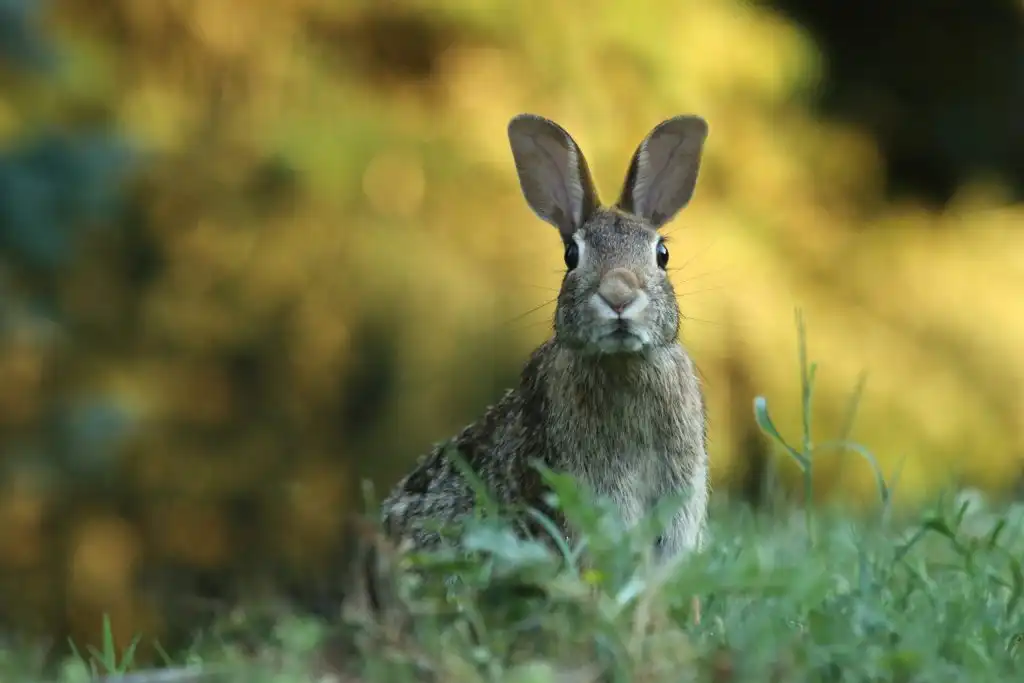
Photo by Gary Bendig on Unsplash
Ostara Traditions and Rituals
The Ostara season, a time of renewal, growth, and new beginnings, is an invitation to celebrate life, embrace joy, and share our blessings with others. Whether you choose to decorate eggs, plant new seeds, or soak in the beauty of springtime, there are ways to honor the traditions and rituals of Ostara. Let's take a moment to appreciate the new growth and opportunities that lie ahead, filling our hearts with excitement and gratitude for the wonders of nature.
Go Outside And Enjoy the Nature
Spring, a time of the year that brings new life and growth, is connected with the essence of Ostara. One of the best ways to welcome the season and connect with its spirit is by taking a refreshing spring walk. In some parts of the world, the weather can still be a bit chilly, but that doesn't need to stop you. Just wear warm clothes or take hot beverages with you, and you are ready to go.
If you live in a snowy area, you can wait for a warm day. When the sun starts to shine, the snow will start to melt. You'll be able to enjoy the sights, sounds, and smells of the melting snow. If you are lucky, you might see early flowers beginning to bloom. If you live in an area with migrating birds, you might even spot some of them during your walk!
One activity to do in the Ostara season is flying a kite. March brings good winds with it, making it the time for kite flying. You can make kite flying a joyful experience. For instance, if you have children, you can teach them about the element of air associated with new beginnings and grounding. After all, when we lose our connection with the ground and stop paying attention to where we're going, we can end up tripping, going the wrong way, or falling altogether. And then, our kite comes crashing down from the sky. So, let's embrace the joy of flying a kite and the lessons it teaches us about life.
Focus on New Beginnings
Spring is in the air, and with it comes the feeling of new beginnings and growth. Ostara is the time to embrace this energy by blessing some literal and figurative seeds. Change the soil in your plants, plant some new seeds, or take care of your garden. Whether you have a green thumb or not, you can use this time to list your goals, hopes, and dreams and incorporate them into your ritual. The possibilities are there, and it's a way to set intentions for the coming year, filling our hearts with hope and optimism for the future.
Do you remember the joy of being a kid? This is the season to try to relieve that feeling. You can do that with activities that kids and adults can enjoy together, from making flower crowns to decorating eggs. Get creative and let your inner child run wild! Try outdoor finger painting on a sunny day for a mess-free activity that connects you with the earth and your inner child. It's also an opportunity to teach children about Ostara while painting together.
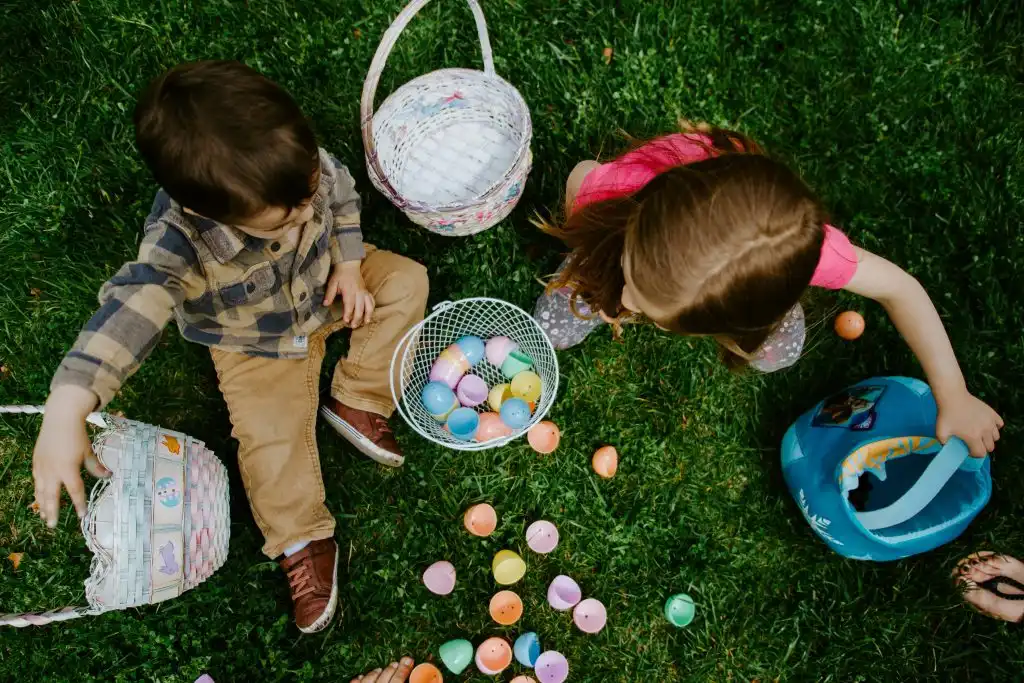
Photo by Gabe Pierce on Unsplash
Spell to Assist in Difficult Changes
Change can be difficult sometimes, so here is a spell that might help you. You will need two candles, one black and one blue to do this spell. You should also have something to light them with. Find a peaceful place where you can be alone and are ready to begin. This ritual is from Ostara: Llewellyn's Sabbat Essentials.
Place the candles so that they are about your eye level when you are sitting or standing in a comfortable position. Place the candles next to each other so that the black candle is on the left and the blue is on the right. Make the space safe and ready yourself by casting a circle by meditating or performing your own casting rituals. Once you are done, take one look at your candles and ensure they are in a safe area so they won't cause you danger if you fall asleep, but don't light them just yet.
Take a moment to calm yourself by taking a few deep breaths and clearing your mind of distractions. You might be stressed about the change, so this step is important. Try to relax and only focus on the problem in mind. Light the black candle and recite the following words either internally or aloud:
The confusion, hurt, and stress I feel
burn away inside this flame.
The change I face is made for me;
no other can take my pain.
Take a moment to gaze into the flame of a candle and allow yourself to release any negative emotions you may be experiencing. Focus on the emotions of hurt, confusion, sadness, stress, or anger you have been carrying and visualize them being consumed by the candle's flame. Imagine them being transformed into smoke that disappears into the air. Take the time you need to do this. Once you feel ready, light a blue candle and recite the spell:
Moving forward, moving on,
changes must be made.
The past is gone, it slips away
from my mind to fade.
The future is what matters now.
I need my strength so bold,
to make the changes I must make
and let them take hold.
Focus your attention on the blue candle's flame and visualize positive outcomes and reactions resulting from the changes you are making. If you find yourself thinking negatively, refocus your attention on the black candle and direct those thoughts towards its flame instead. Continue switching your focus between the two candles as you feel necessary. Once you feel all the negative emotions have been released, return your focus to the black candle and repeat the following phrase:
Negative feelings, I don't need you.
I cleanse you and release you into the air.
Blow out the black candle to let feelings float away. Then return to the blue candle and say:
These changes I make are for the best.
I accept you and release you into my surroundings.
It is possible to perform this spell multiple times as needed. For instance, performing it once every week may be a suitable option. Working on various changes simultaneously is also possible, but be sure to avoid overburdening oneself. If necessary, divide the changes into different sessions. Remember that each person has a way of dealing with stress, so doing what is best for oneself is essential.
Conclusion
Ostara is a time to celebrate spring's arrival and life's renewal. It's a time to embrace change and new beginnings in the natural world and within ourselves. Whether you honor the goddess Eostre or take a walk in the park, there are opportunities to connect with the energy of spring and start fresh. So, let's make the most of this season of renewal and growth and welcome the abundance of new life and energy that surrounds us. Happy Ostara!
If you enjoyed learning about Ostara, you might also be interested in other Wheel of the Year celebrations like Litha (Summer Solstice) or Mabon (Autumn Equinox).
Related in this topic
More from Witchcraft Practice — Start Here.
Embracing Shadow Work with Lilith
Shadow integration guided by Lilith, the primal feminine rebel. Practical rituals for modern practitioners.