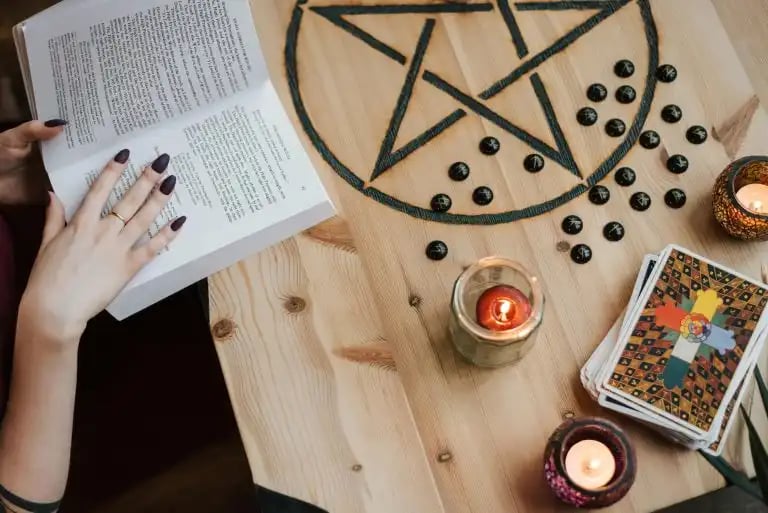
Introduction to Modern Witchcraft
Witchcraft in the 21st century is a broad, varied practice. It spans traditions, beliefs, and lifestyles, from devotional polytheism to secular, psychological approaches. This lesson offers a grounded overview of modern witchcraft so you can explore it with clarity and respect.
What Is Witchcraft?
Witchcraft generally refers to the practice of magic: working with energy, intention, symbolism, and sometimes spirits or deities to create change. Definitions vary widely. Some practitioners view it as a spiritual path; others as a practical skill set; others as a cultural or religious identity. There is no single authority that dictates what counts as witchcraft.
What unites most modern witches is the use of intentional practices (spells, rituals, divination, herbalism, and similar arts) to influence their lives and surroundings. The how and why differ from person to person. Some cast circles and call quarters; others light a candle and speak an intention. Some work with gods and spirits; others treat magic as entirely psychological. All of these can fall under the umbrella of witchcraft.
Witchcraft Is Not One Tradition
Modern witchcraft includes many paths:
-
Eclectic witchcraft: Borrowing from multiple traditions and adapting practices to personal belief. Many beginners start here, picking and choosing what resonates.
-
Traditional witchcraft: Drawing on specific regional or folk traditions (e.g., British, Appalachian). These often emphasize historical roots and place-specific practices.
-
Wicca: A modern pagan religion that includes witchcraft; not all witches are Wiccan, and not all Wiccans call themselves witches. Wicca has influenced many witchcraft practices but is distinct. See the lesson on Witchcraft vs Wicca for more.
-
Secular or naturalistic witchcraft: Practicing magic as psychological and symbolic work without belief in supernatural beings. The placebo effect, focused intention, and ritual as self-care are central.
-
Hereditary or family tradition: Practices passed down within families. Claims vary; discernment is wise. Authentic family traditions exist, but so do inflated or fabricated claims.
-
Solitary vs. coven: Some practitioners work alone; others join groups for training, ritual, and community. Both are valid. Solitary practice offers flexibility; covens offer structure and fellowship.
Labels can help you find community and resources, but they are not rigid. Many practitioners blend approaches and change over time. You may start eclectic and later feel drawn to a specific tradition, or vice versa.
Core Elements of Practice
Although practices differ, many witches share certain elements:
Intention and focus: Spells and rituals work best when your aim is clear and focused. Vague desires ("I want things to be better") are harder to direct than specific intentions ("I want clarity on this decision"). Writing and speaking your intention reinforces it.
Correspondences: Colors, herbs, crystals, phases of the moon, and other symbols are used to support intention. Red for passion or courage, lavender for peace, waxing moon for growth. These systems are largely conventional (agreed upon by tradition or chosen by the practitioner) and can be adapted. Use them to amplify focus, not to substitute for it.
The natural world: Many witches align their practice with seasons, moon phases, and natural cycles. The Wheel of the Year, for example, marks eight seasonal points and is widely used in Wicca and related traditions. Honoring lunar phases, growing herbs, or spending time outdoors can ground practice in the physical world.
Ethics: Personal ethics guide how and when magic is used. Common principles include harm reduction, consent, and taking responsibility for one's actions. There is no single ethical code; reflection and honesty matter.
Witchcraft and Belief
You do not need to believe in literal gods, spirits, or supernatural forces to practice witchcraft. Some witches are atheists or agnostics who treat magic as psychology, symbolism, or placebo. Others work with deities, ancestors, or spirits as real beings. Both approaches are valid.
The important part is that your practice aligns with your beliefs. If you find that a given framework does not fit (e.g., polytheism feels false, or secular magic feels too limiting), you are free to adapt or discard it. Witchcraft is malleable; it serves the practitioner, not the other way around.
Getting Started
If you are new to witchcraft:
-
Read broadly. Explore different traditions, histories, and perspectives to avoid narrow or romanticized views. Academic and practitioner sources both have value.
-
Start small. Simple practices (candle magic, divination, grounding) build skill and confidence. You do not need elaborate tools or years of study to begin.
-
Respect cultures. Avoid appropriating closed or initiatory traditions. Honor the origins of practices you adopt. Research before you borrow.
-
Trust your pace. There is no single way to begin. Follow what interests you and feels ethical. You can change direction as you learn.
-
Connect with others. Online and local communities can offer support, but use discernment about sources and claims. Not every popular account or book is reliable.
Modern witchcraft is diverse, creative, and continually evolving. This introduction is a starting point. The next lessons in this path will cover traditions, practical techniques, seasonal observance, and ethics, so you can build a practice that is informed, ethical, and meaningful to you.
Further Reading
Explore More
Continue learning with related content from The Esoteric Witch: