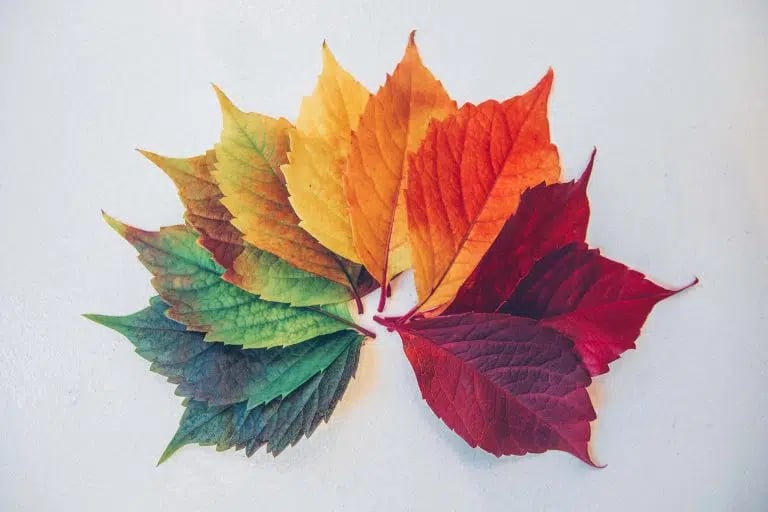
The Wheel of the Year
The Wheel of the Year marks eight seasonal points that many pagan and witch traditions observe. These Sabbats (from the Gaelic word for "festival") connect practice to the natural world and the cycle of birth, growth, harvest, and rest. This lesson surveys each Sabbat and offers ideas for honoring them in a modern context.
The Eight Sabbats
Samhain (October 31): The Witch's New Year. A time to honor the dead, release what no longer serves, and welcome the dark half of the year. Ancestor altars, divination, and meditation on mortality are common. In the Northern Hemisphere, the harvest is complete and the land rests. Samhain is often considered a time when the veil between worlds is thin.
Yule (Winter Solstice, ~December 21): The longest night. Celebrate the return of the sun, light candles, and embrace rest and introspection. Evergreens, feasting, and gift-giving have ancient roots; many pagans and witches adapt these customs. Yule marks the turning point: after this night, daylight grows.
Imbolc (February 1): First stirrings of spring. The name may derive from "in the belly" (of the earth or of ewes). Honor Brigid (or another fire/fertility deity), purify your space, and set intentions for the growing season. Candle lighting and early spring cleaning are traditional. Imbolc is a time of promise and preparation.
Ostara (Spring Equinox, ~March 21): Balance of light and dark. Day and night are equal. Plant seeds (literal or metaphorical), celebrate fertility and renewal, and welcome new beginnings. Eggs and hares are common symbols. Ostara corresponds with Easter in its timing and some of its imagery.
Beltane (May 1): Peak of spring. Honor life force, fertility, and joy. Bonfires, flowers, and maypoles are traditional. Beltane marks the beginning of the light half of the year and is often celebrated with feasting, dance, and outdoor ritual. It is a time of abundance and vitality.
Litha (Summer Solstice, ~June 21): Longest day. Celebrate abundance and the sun's power before the days begin to shorten. Bonfires, solar symbols, and gratitude for growth are common. Litha is the peak of light; after this, the wheel turns toward harvest and eventual darkness.
Lughnasadh (August 1): First harvest. Give thanks for what has grown; recognize the turn toward autumn. Bread baking, grain offerings, and honoring agricultural deities (such as Lugh) are traditional. Lughnasadh reminds us that abundance requires labor and that the season of growth is waning.
Mabon (Autumn Equinox, ~September 21): Second harvest. Balance, gratitude, and preparation for the coming dark. Day and night are equal again. Mabon is a time to reap what was sown, give thanks, and prepare for the inward turn of winter. Apples, grapes, and autumn produce feature in celebrations.
Adapting to Your Life
You do not need to celebrate all eight (or any) in a formal way. Even noticing the seasons, aligning simple rituals with solstices and equinoxes, or honoring one or two Sabbats that resonate can deepen your connection to natural cycles. The Wheel is a framework, not a requirement.
If your schedule is busy: A brief acknowledgment suffices. Light a candle, speak a few words of thanks, or take a walk and notice the season. You need not host a feast or perform an elaborate rite.
If you are in the Southern Hemisphere: The dates and seasons are reversed. Samhain in October may not feel like "dark half" if you are entering spring. Adapt the Sabbats to your local seasons: when your land is in fall, observe harvest themes; when it is winter, observe rest and introspection.
If you are secular or eclectic: You can honor the Wheel without gods or supernatural belief. The cycle of seasons is real; marking it supports grounding and mindfulness regardless of theology.
Creating your own observances: You need not follow a prescribed ritual for each Sabbat. A walk in nature, a special meal, a candle lit, or a few minutes of reflection can mark the turn of the season. The Wheel offers structure; you choose how to fill it. Consistency in simple form often matters more than elaborate ceremony.
Further Reading
Explore More
Continue learning with related content from The Esoteric Witch: