


How to read the labels Historical what the old sources say. Later tradition what later writers added. Modern modern practice and my own notes.
A spread is a layout where each rune sits in a position with its own meaning. The position gives the rune a question to answer, such as “What is the root of this?” or “What can help?”, and that turns a handful of symbols into a structured conversation.
Here are the spreads I find most useful for beginners, each with a diagram, an invented example and a journaling prompt.
Modern All rune spreads are modern. Some draw on images from Old Norse poetry, but no ancient source describes laying runes out in positions. Use them as tools, adapt them and invent your own. For preparation and how to read each rune, see how to cast and read runes.
One rune
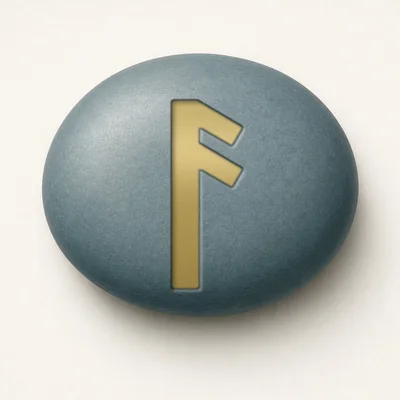
When to use it: daily guidance, a quick check-in or a simple question.
The single rune is the foundation of all rune reading. With only one rune, you can give it your full attention, read its poems and connect it closely to your question.
Example (invented). Someone asks, “What do I need to keep in mind as I start my new class?” and draws Ansuz. Its name means “god,” and the Old English poem calls it the origin of every kind of speech. They write: “Listen carefully, ask questions and speak up when I have something to say.”
Journaling prompt: What did this rune ask you to notice today? By evening, did you notice it?
The Three Norns
When to use it: understanding how a situation has developed and where it may be heading.
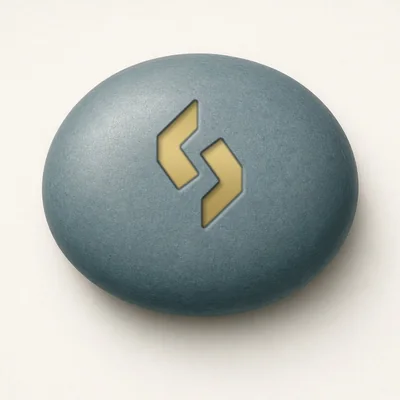
Historical In Old Norse myth, three women called Norns live by a well beneath the world tree and shape the lives of beings. The Völuspá names them Urðr, Verðandi and Skuld.
Their names are often linked to “what has come about,” “what is becoming” and “what shall be” or “debt.” Modern Many rune readers use them as a framework for a simple spread.
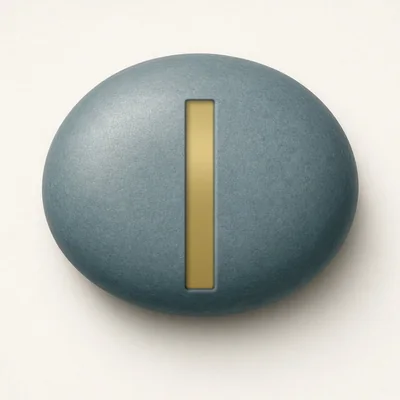
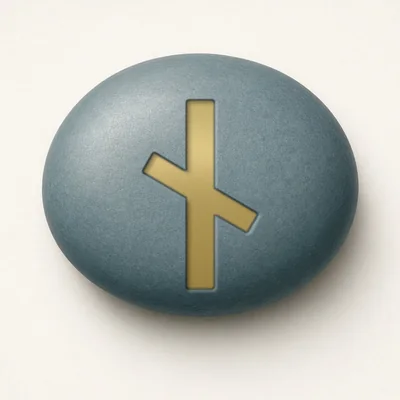
Lay three runes from left to right. Urðr is what has led here, the roots or past influences. Verðandi is what is happening now. Skuld is what may develop if things continue as they are, or what is owed and needs doing.
The third position is not a fixed future. It is a possible direction, and it changes with your choices.
Example (invented). Someone asks, “What is going on with my job search?” and draws Isa, Naudiz and Jera. Isa: things have been frozen, and they have held back from applying.
Naudiz: there is pressure now, which may drive them to act. Jera: the harvest that comes in its own season, so steady effort may bring results, but not overnight. They write: “Action: send two applications this week.”
Journaling prompt: Which position felt most true? What action does the Skuld rune suggest?
The five-rune cross
When to use it: exploring a problem in more depth, including its challenges and resources.
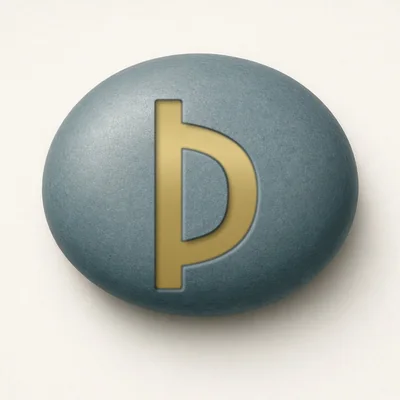
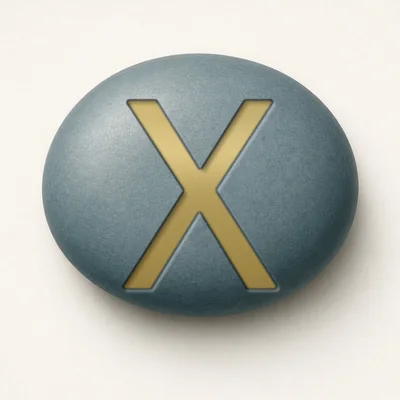
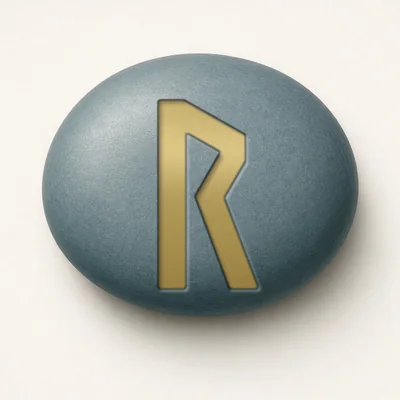
Lay the first rune in the center, for the heart of the matter, and the others around it. The rune on the left shows what lies behind, and the one on the right what lies ahead, or a possible direction. Below sits the foundation, what supports the situation, and above it what can help.
Example (invented). Someone asks, “How can I handle the conflict in my writing group?” Center, Thurisaz: a thorn, prickly and defensive. Left, Gebo: the group used to share generous feedback. Right, Raidho: a change of direction may be coming.
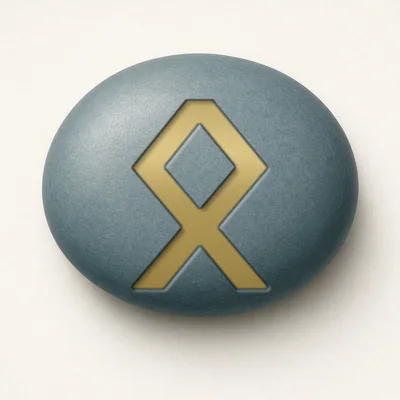
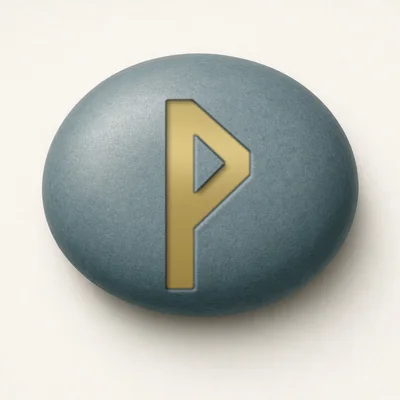
Below, Othala: under the conflict is a shared sense of the group as a home. Above, Wunjo: the way forward leads back to the joy of writing together. They write: “Action: suggest a meeting about how we give feedback.”
Journaling prompt: What did the rune below tell you about the foundation? How does the rune above suggest you move forward?
The nine-rune cast
When to use it: a broad overview of a complex question, when you want to see many influences at once.
This layout uses casting rather than drawing. Nine appears often in Old Norse poetry: Odin hangs on the tree for nine nights, and there are nine worlds. Take nine runes, cast them gently on a cloth and read only those that land face up.
Runes near the center are the most important factors, and those in the middle area are supporting factors and influences. Near the edge you find background factors, or things on their way in or out. Runes that touch are factors that are connected.
Example (invented). Someone asks about the year ahead and six runes land face up. Berkano and Laguz near the center suggest new growth and listening to feelings. Fehu and Ehwaz in the middle point to resources and teamwork. Hagalaz lies at the edge, touching Sowilo: even a disruption sits close to the sun.
Journaling prompt: Which runes landed closest to the center? Did any touch?
Two paths: a spread for decisions
When to use it: weighing two options without handing the choice to the runes.
Draw six runes. The first, at the top, shows what this decision is really about. The next two, on the left, show what Path A offers and what it costs, and the two on the right do the same for Path B. The last, at the bottom, is what to remember: a guiding thought for choosing yourself.
Example (invented). Someone is deciding whether to move away for study or stay near family. The question: Othala, home and belonging. Moving offers Raidho, a real journey, but costs Isa, perhaps a lonely frozen start. Staying offers Wunjo, joy and fellowship, but costs Naudiz, needs not yet met.
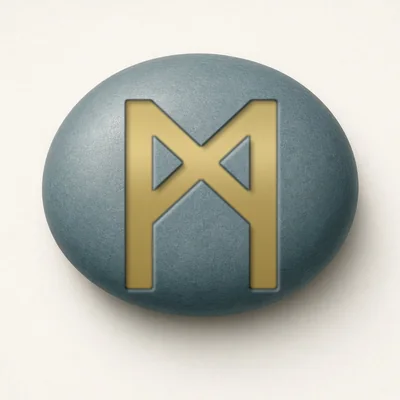
What to remember: Mannaz, they are not alone either way. They write: “The runes did not choose for me, and they should not. Action: talk to my family and to a student who made the same move.”
This spread works only if you remember the decision is yours. If you find yourself drawing again because you dislike the result, stop and talk it through with someone you trust.
Two bigger spreads to try later
The aett spread
When to use it: a full picture of your life, looking at eight areas at once. It is a modern invention, so use it playfully. Draw eight runes and lay them in a row or a circle, one for each position, each themed after the rune that stands in that place in the first aett.
| Position | Area of life |
|---|---|
| Fehu | Resources, money and what you have |
| Uruz | Energy, strength and stamina |
| Thurisaz | Challenges, obstacles and defenses |
| Ansuz | Communication, learning and guidance |
| Raidho | Travel, direction and movement |
| Kenaz | Creativity, skill and inspiration |
| Gebo | Relationships, gifts and exchange |
| Wunjo | Happiness, community and fulfillment |
Read each position briefly, then ask which area surprised you most. That area is a good subject for a second, smaller reading another day.
The year spread
When to use it: a new year, a birthday or any turning point. Lay twelve runes in a circle like a clock face, one per month, starting at the top with the current or coming month, with an optional thirteenth in the center for the theme of the whole year.
Write the months’ runes in your calendar and revisit each at the start of its month as a journal prompt.
This spread is especially easy to treat as a forecast, so hold it lightly. If you draw Hagalaz for May, do not spend weeks dreading it; use it as a gentle reminder to be prepared and kind to yourself, nothing more.
Reading the whole spread, and making your own
Once you have read each position, step back. Which aett do most runes come from? Are there repeated themes, such as water or journeys? Is there a turning point? Is anything you expected missing? Write a two or three sentence summary before you close your journal.
A good spread has a clear purpose, few positions (three to seven is plenty), positions that each ask a different question and a last position you can act on, such as “what can help” or “next step.” Use a new spread several times and revise it as you learn what works.
A rune in a “future” position is not a fact about the future, and a rune in a “health” position is not a diagnosis. Every position is a question you are asking yourself. Keep your spreads simple and your notes honest, and let the patterns show themselves over time.
Try this
Pick one spread for the coming week and use it at least three times. Copy these templates into your journal:
| Spread | Positions |
|---|---|
| One rune | 1 the rune for the question |
| Three Norns | 1 Urðr (what has led here), 2 Verðandi (what is now), 3 Skuld (what may develop or is owed), left to right |
| Five-rune cross | 1 center, 2 left (behind), 3 right (ahead), 4 below (foundation), 5 above (what can help) |
| Two paths | 1 top (the question), 2 and 3 left (Path A offers, costs), 4 and 5 right (Path B offers, costs), 6 bottom (what to remember) |
| Nine-rune cast | center, middle area, edge; note which runes touch |
Under each reading, leave space for the date, your exact question, the runes, your first impressions, one action and a follow-up note a week later.
What next
If you are new to reading, start with how to cast and read runes, which goes through one rune step by step. Before you read for anyone else, read runes, ethics and respect.
Questions
What is the best rune spread for beginners?
Start with one rune a day, then move to the Three Norns, a three-rune layout read as what has led here, what is now and what may develop.
Is the Three Norns spread ancient?
No. The Norns come from Old Norse myth, but no ancient source describes laying runes out in positions. All rune spreads are modern.
How many runes should a spread have?
Three to seven positions is plenty for most questions. Each position should ask a different question, and the last should give you something to act on.
Can rune spreads predict the future?
No. A rune in a "future" position is a possible direction, not a fact about the future. Every position is a question you are asking yourself, and the answer changes with your choices.
Get the free Mini-Grimoire
A short printable starter guide to tarot and everyday witchcraft, plus my newsletter. Unsubscribe any time.
Opens Substack in a new tab to confirm. More about the newsletter · Privacy