


How to read the labels Historical what the old sources say. Later tradition what later writers added. Modern modern practice and my own notes.
This is my directory of all 72 spirits of the Ars Goetia, in the order of the 1904 Mathers and Crowley edition. It is a reference, not a book to read straight through. Every row gives the facts from the old text first, so you can see what the Goetia itself says before you meet what later writers added.
If you are struggling right now, call your local emergency number (112 in Europe, 911 in the US and Canada) or see Getting help.
How to read the directory
Historical Each row has seven columns.
- No. The spirit’s number in the 1904 order.
- Name. The name as printed in 1904.
- Variant spellings. Other forms of the name from the 1904 text, Scot’s 1584 translation of Weyer and well-known manuscript forms. Names shift between copies, so a spirit you know as Gamigin or Barbas may be listed here as Samigina or Marbas.
- Rank. The title the entry gives the spirit. Some entries give two. See ranks and offices for what the titles mean.
- Legions. The number of legions the 1904 text says the spirit rules. Other editions sometimes differ. The best-known case is Belial: the 1904 printing gives 80, as Weyer and Scot do, but the 1916 de Laurence reprint and the online transcriptions based on it give 50.
- First office. The first thing the 1904 text says the spirit does or teaches, in paraphrase or short quotation. Most spirits have several offices, often mixed, so this is a starting point, not a summary of the spirit.
- Fits the beginner criteria. Whether the spirit meets the three criteria explained below.
Each name links to that spirit’s own page, where you will find every office, the seal, the comparison with Weyer and Scot, and what later writers added.
How to read a spirit page
Every spirit page follows the same plan, so you can compare spirits side by side. The facts table and the seal come first, then these sections:
- The 1904 entry. The full public-domain text of the Mathers and Crowley edition, followed by a close reading that glosses old words such as “lamen”, “familiar” or “liberal sciences”.
- Appearance and offices. What the spirit looks like and every office, in the order the text gives them. Offices of harm or compulsion are part of the historical record, and reporting them is not endorsing them.
- Source comparison. What Johann Weyer’s Latin catalog (1577) and Reginald Scot’s English translation (1584) say, and where the Goetia changed, added or dropped something. More in Weyer and Scot.
- Name and etymology. Spellings across the sources and what the name may mean. Guesses are marked as speculation.
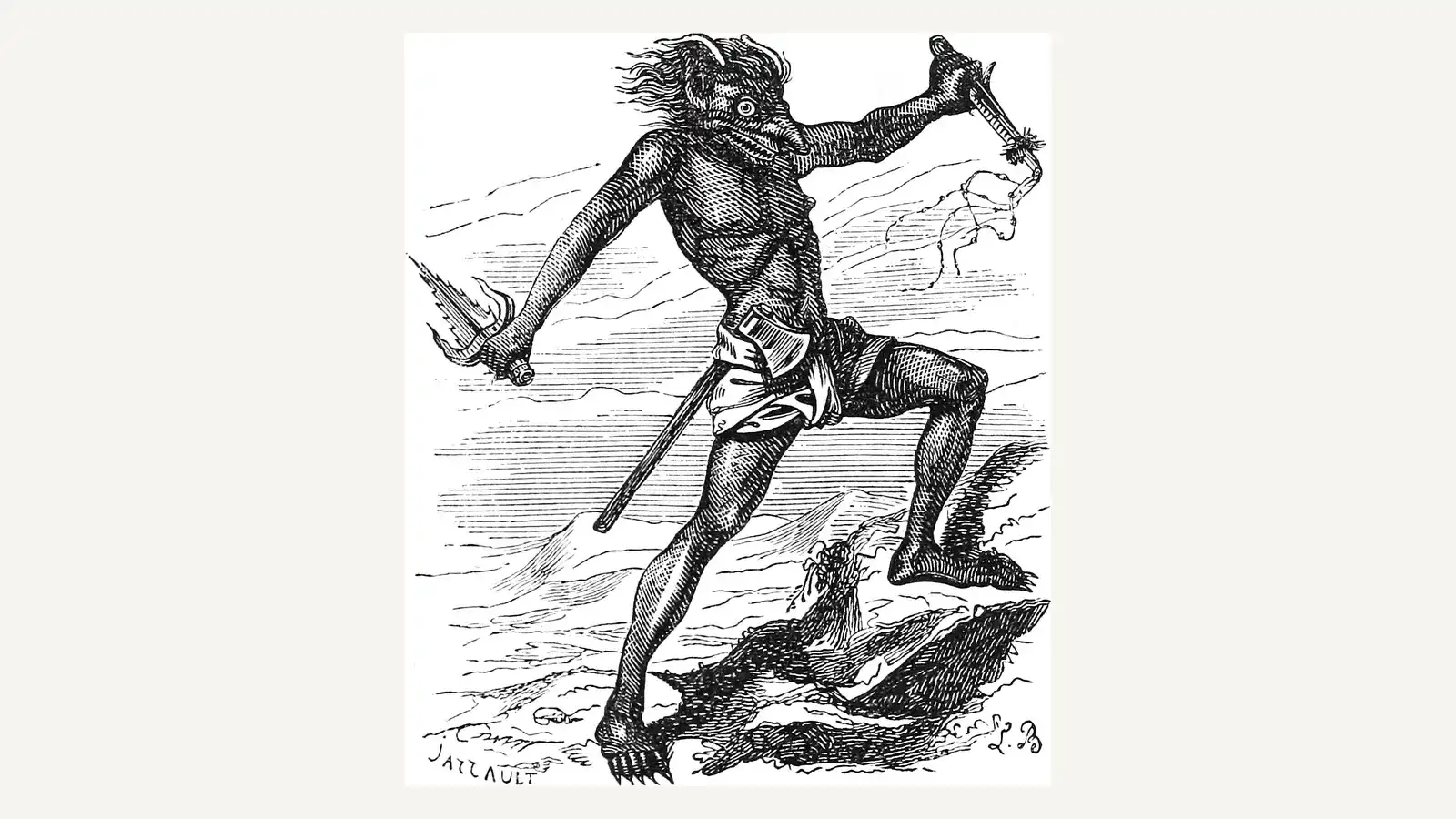
- Seal and images. The 1904 seal and, where one exists, Louis Le Breton’s engraving for the 1863 Dictionnaire infernal.
- Later tradition and modern practice. What later books and modern practitioners added.
- Beginner’s quick reference. The rank’s metal and hours, the Golden Dawn planet and decan with its tarot card, and the colors, incense and offerings that modern sources commonly list. Read incense, plants and offerings before you use any of them.
- Practical notes, a study question and what next. Whether the spirit fits the beginner criteria, one question to take to the texts, and the spirit’s partner in the decan scheme.
Three labels mark the layers. Historical means the old texts themselves: the Goetia, Weyer, Scot. Later tradition means what nineteenth- and twentieth-century writers added, such as Collin de Plancy’s dictionary or the Golden Dawn’s decans and Crowley’s 777. Modern means present-day practice, including personal experience (often called UPG, unverified personal gnosis). Personalities, favorite foods, signs that a spirit has “chosen” someone and birth demons belong to this last layer; see the online tradition.
If a spirit interests you, start with study, not ritual:
- Read the offices in order and write each one in your own words.
- Compare the 1904 wording with Scot’s English in The Discoverie of Witchcraft (Book 15, chapter 2), which is free to read online.
- Copy the seal by hand, slowly, and note anything you missed at first glance.
- Keep a two-column log: what the text says on the left, and what you have read online or feel about it on the right.
The beginner criteria
Modern If you are reading the directory to choose a spirit to study more closely, a spirit “fits the beginner criteria” when it meets three conditions:
- It is not a king.
- At least one of its offices is teaching.
- Its entry does not center on harm, deception or compulsion.
30 of the 72 meet them. Even then, read the whole entry. Nearly every spirit in the Goetia has mixed offices, and the choice is always yours. A “No” is not a judgment that a spirit is evil, and a “Yes” is not a promise that anything is safe. It only describes what the seventeenth-century text says.
The 72 spirits
Spirits 1 to 18
| No. | Name | Variant spellings | Rank (1904) | Legions | First office (1904 text) | Fits the beginner criteria |
|---|---|---|---|---|---|---|
| 1 | Bael | Baal, Baell, Baël (Weyer, Scot) | King | 66 | Makes the magician go invisible. | No |
| 2 | Agares | Agreas, Agarus | Duke | 31 | Makes those who stand still run, and brings back runaways. | Yes |
| 3 | Vassago | None common | Prince | 26 | Declares things past and to come. | No |
| 4 | Samigina | Gamigin (Weyer, Scot), Gamygyn | Marquis | 30 | Teaches all liberal sciences. | Yes |
| 5 | Marbas | Barbas (Weyer, Scot) | President | 36 | Answers truly of things hidden or secret. | Yes |
| 6 | Valefor | Valefar, Malaphar, Malephar (Weyer, Scot) | Duke | 10 | Is “a good Familiar.” | No |
| 7 | Amon | Aamon (Weyer, Scot), Ammon | Marquis | 40 | Tells all things past and to come. | No |
| 8 | Barbatos | None common | Duke | 30 | Gives understanding of the singing of birds and the voices of other creatures, “such as the barking of Dogs.” | Yes |
| 9 | Paimon | Paymon, Paimonia (as a king of the quarters, in some texts) | King | 200 | Teaches all arts and sciences and other secret things. | No |
| 10 | Buer | None common | President | 50 | Teaches philosophy, both moral and natural. | Yes |
| 11 | Gusion | Gusoin (Weyer, Scot), Gusoyn, Gusayn | Duke | 40 | Tells all things past, present, and to come. | Yes |
| 12 | Sitri | Bitru (Weyer, Scot), Sytry | Prince | 60 | Inflames men with women’s love, and women with men’s love. | No |
| 13 | Beleth | Bileth, Bilet (1904), Byleth | King | 85 | Causes “all the love that may be, both of Men and of Women, until the Master Exorcist hath had his desire fulfilled.” | No |
| 14 | Leraje | Leraie, Leraikha (1904), Oray (Weyer, Scot), Loray | Marquis | 30 | Causes all great battles and contests. | No |
| 15 | Eligos | Eligor, Abigor (Weyer, Scot) | Duke | 60 | Discovers hidden things. | No |
| 16 | Zepar | Separ (sometimes confused with Vepar) | Duke | 26 | Causes women to love men and brings them together in love. | No |
| 17 | Botis | Otis (Weyer, Scot) | President and Earl | 60 | Tells all things past and to come. | No |
| 18 | Bathin | Bathym (1904 list), Mathim (Weyer, Scot), Marthim | Duke | 30 | Knows the virtues of herbs and precious stones. | Yes |
Spirits 19 to 36
| No. | Name | Variant spellings | Rank (1904) | Legions | First office (1904 text) | Fits the beginner criteria |
|---|---|---|---|---|---|---|
| 19 | Sallos | Saleos (1904, Weyer, Scot), Zaleos | Duke | 30 | Causes the love of women to men, and of men to women. | No |
| 20 | Purson | Curson (Weyer, Scot), Pursan | King | 22 | Knows all things hidden and can discover treasure. | No |
| 21 | Marax | Morax (Weyer, Scot, some codices), Foraii (Weyer, Scot) | Earl and President | 30 | Makes men “very knowing in Astronomy, and all other Liberal Sciences.” | Yes |
| 22 | Ipos | Ipes, Ayporos (Weyer, Scot), Ayperos | Earl and Prince | 36 | Knows all things past, present, and to come. | Yes |
| 23 | Aim | Aym, Haborim (Weyer, Scot), Haborym | Duke | 26 | Sets cities, castles, and great places on fire. | No |
| 24 | Naberius | Naberus, Cerberus (Weyer, Scot) | Marquis | 19 | Makes men cunning in all arts and sciences, “but especially in the Art of Rhetoric.” | Yes |
| 25 | Glasya-Labolas | Glasya Labolas (Scot), Caacrinolaas, Caassimolar (Weyer, Scot), Glasyalabolas | President and Earl | 36 | Teaches all arts and sciences “in an instant.” | No |
| 26 | Bune | Bime, Bim (1904) | Duke | 30 | Changes the place of the dead. | Yes |
| 27 | Ronove | Ronobe, Roneve | Marquis and Earl | 19 | Teaches the art of rhetoric “very well.” | Yes |
| 28 | Berith | Beale, Beal, Bofry, Bolfry (1904), Beall (Weyer, Scot), Baal-Berith | Duke | 26 | Gives true answers, past, present, and to come. | No |
| 29 | Astaroth | Ashtaroth, Astarot | Duke | 40 | Gives true answers of things past, present, and to come. | No |
| 30 | Forneus | None common | Marquis | 29 | Teaches and makes men “wonderfully knowing in the Art of Rhetoric.” | Yes |
| 31 | Foras | Forcas (Weyer, Scot), Furcas (sometimes confused with spirit 50) | President | 29 | Gives men understanding of the virtues of all herbs and precious stones. | Yes |
| 32 | Asmoday | Asmodai (1904), Sidonay (Weyer, Scot), Asmodeus, Ashmedai | King | 72 | Gives “the Ring of Virtues.” | No |
| 33 | Gaap | Tap (Weyer, Scot), Goap (as a king of the quarters) | President and Prince | 66 | Makes men insensible or ignorant. | No |
| 34 | Furfur | Furtur | Earl | 26 | Never speaks truth “unless he be compelled, or brought up within a triangle.” | No |
| 35 | Marchosias | Marchocias | Marquis | 30 | Is “a strong fighter.” | No |
| 36 | Stolas | Stolos (1904), Solas | Prince | 26 | Teaches the art of astronomy. | Yes |
Spirits 37 to 54
| No. | Name | Variant spellings | Rank (1904) | Legions | First office (1904 text) | Fits the beginner criteria |
|---|---|---|---|---|---|---|
| 37 | Phenex | Pheynix (1904), Phoenix (Weyer, Scot), Pheniex | Marquis | 20 | Speaks “marvellously of all wonderful Sciences if required.” | Yes |
| 38 | Halphas | Malthus, Malthous, Malthas (1904) | Earl | 26 | Builds up towers and furnishes them with ammunition and weapons. | No |
| 39 | Malphas | None common | President | 40 | Can build houses and high towers. | No |
| 40 | Raum | Raim (Weyer, Scot), Raym | Earl | 30 | Steals treasures out of kings’ houses and carries them where commanded. | No |
| 41 | Focalor | Forcalor, Furcalor (1904) | Duke | 30 | Slays men and drowns them in the waters. | No |
| 42 | Vepar | Vephar (1904), Separ (Weyer, Scot) | Duke | 29 | Governs the waters. | No |
| 43 | Sabnock | Savnok (1904), Sabnack, Sabnacke, Salmac (Weyer, Scot) | Marquis | 50 | Builds high towers, castles, and cities, and furnishes them with armor. | No |
| 44 | Shax | Shaz, Shass (1904), Scox (Weyer, Scot), Chax | Marquis | 30 | Takes away the sight, hearing, or understanding of any man or woman at the command of the magician. | No |
| 45 | Vine | Vinea (1904), Viné | King and Earl | 36 | Discovers things hidden, witches, wizards, and things present, past, and to come. | No |
| 46 | Bifrons | Bifrous, Bifrovs (1904) | Earl | 6 | Makes one knowing in astrology, geometry, and other arts and sciences. | Yes |
| 47 | Vual | Uvall, Voval (1904), Vuall (Weyer, Scot), Wall | Duke | 37 | Procures the love of women. | No |
| 48 | Haagenti | None common | President | 33 | Makes men wise and instructs them in divers things. | Yes |
| 49 | Crocell | Crokel (1904), Procell (Scot), Pucel (Weyer), Procel | Duke | 48 | Teaches the art of geometry and the liberal sciences. | Yes |
| 50 | Furcas | Forcas (sometimes confused with Foras, 31) | Knight | 20 | Teaches philosophy, astrology, rhetoric, logic, cheiromancy (palmistry), and pyromancy (divination by fire), “in all their parts, and perfectly.” | Yes |
| 51 | Balam | Balaam (1904), Balan | King | 40 | Gives true answers of things past, present, and to come. | No |
| 52 | Alloces | Alocas (1904), Allocer (Weyer, Scot), Allocen | Duke | 36 | Teaches the art of astronomy and all the liberal sciences. | Yes |
| 53 | Camio | Caim (1904, Weyer, Scot), Caym | President | 30 | Is “a Good Disputer.” | Yes |
| 54 | Murmur | Murmus, Murmux (1904) | Duke and Earl | 30 | Teaches philosophy perfectly. | Yes |
Spirits 55 to 72
| No. | Name | Variant spellings | Rank (1904) | Legions | First office (1904 text) | Fits the beginner criteria |
|---|---|---|---|---|---|---|
| 55 | Orobas | None common | Prince | 20 | Discovers all things past, present, and to come. | Yes |
| 56 | Gremory | Gamori (1904), Gomory (Weyer, Scot), Gemory | Duke | 26 | Tells of all things past, present, and to come. | No |
| 57 | Ose | Oso, Voso, Yoso (1904) | President | 3 (Mathers: “should probably be 30”) | Makes one cunning in the liberal sciences. | No |
| 58 | Amy | Avnas (1904), Amii | President | 36 | Makes one “Wonderful Knowing in Astrology and all the Liberal Sciences.” | Yes |
| 59 | Orias | Oriax (1904) | Marquis | 30 | Teaches the virtues of the stars. | Yes |
| 60 | Vapula | Naphula (1904) | Duke | 36 | Makes men knowing in all handicrafts and professions. | Yes |
| 61 | Zagan | Zagam | King and President | 33 | Makes men witty. | No |
| 62 | Volac | Valak, Valu, Ualac (1904), Valac (Weyer, Scot), Volach | President | 38 | Gives true answers of hidden treasures. | No |
| 63 | Andras | None common | Marquis | 30 | Sows discords. | No |
| 64 | Haures | Hauras, Havres, Flauros (1904, Weyer, Scot), Hauros | Duke | 36 | Gives true answers of all things present, past, and to come, but “if he be not commanded into a Triangle, he will Lie in all these Things.” | No |
| 65 | Andrealphus | None common | Marquis | 30 | Teaches geometry perfectly. | Yes |
| 66 | Cimejes | Cimeies, Kimaris (1904), Cimeries (Weyer, Scot) | Marquis | 20 | Rules over all spirits “in the parts of Africa.” | Yes |
| 67 | Amdusias | Amdukias (1904), Amduscias (Weyer, Scot) | Duke | 29 | Causes trumpets and all manner of musical instruments to be heard, “but not soon or immediately.” | No |
| 68 | Belial | Beliall (Scot), Beliar | King | 80 | Distributes presentations (preferments) and senatorships. | No |
| 69 | Decarabia | Carabia (Weyer, Scot) | Marquis | 30 | Discovers the virtues of birds and precious stones. | Yes |
| 70 | Seere | Sear, Seir (1904) | Prince | 26 | Goes and comes, and brings “abundance of things to pass on a sudden.” | No |
| 71 | Dantalion | Dantalian | Duke | 36 | Teaches all arts and sciences to anyone. | No |
| 72 | Andromalius | None common | Earl | 36 | Brings back both a thief and the stolen goods. | No |
Rank rules from the Observations
Historical After the catalog, the Goetia adds short “Observations” that give each rank a metal for its seal and hours when its spirits “may be bound.” Kings are given gold, marquises silver, dukes copper, princes and prelates tin, knights lead, presidents mercury, and earls copper and silver “alike equal.” Each rank also has its own hours, from “Sunrise till Noonday in Clear Weather” for dukes to “any hour of the Day” for princes. The text adds that work should happen only when the Moon is 2, 4, 6, 8, 10, 12 or 14 days old, and it does not say which rule applies to a spirit with two ranks. I quote every rule in full on ranks and offices.
Modern Mercury is a toxic liquid metal and lead is toxic too. Never handle either. If you want to honor a rank’s metal, draw the planet’s symbol on a paper seal instead.
What the directory leaves out
Later tradition You will not find colors, incenses, days, planets or tarot cards in this table. The seventeenth-century Goetia does not give them. Planets and decans come from the Golden Dawn and Crowley’s 777 (1909), and colors, incenses and offering lists come from modern books and websites that often copy one another. The spirit pages gather those later additions in one place, each labeled by layer, so no one system looks more authoritative than it is. To see which decan, card and spirits that later system gives your own birthday, try my birth demon calculator.
The directory also leaves out personalities. The old text gives each spirit a few lines. It describes appearance and office, sometimes voice, and only rarely temperament: Vassago is “of a Good Nature,” Beleth is “very furious at his first appearance,” and Seere is “of an indifferent Good Nature.” Anything more is later.
A note on harm
Historical Many entries include offices that cause harm: wounds, sickness, death, storms, discord or love by compulsion. They are part of the historical record, and the table reports them where they come first. Reporting them is not endorsing them, and I do not teach any practice to bring them about. In the Goetia’s own world, the magician could command a spirit not to harm. Focalor, whose office is to drown men and sink ships, “will not hurt any man or thing if he be commanded to the contrary.” That is the text’s belief, not a guarantee.
A note on gender
Historical The 1904 text calls every spirit “he,” even Gremory, who appears as a beautiful woman with a duchess’s crown. Modern Many practitioners today speak of some spirits as female or beyond gender. I follow the 1904 text when describing what it says, and I note modern usage on each spirit’s page.
A note on fear
If reading these names frightens you, stop. You do not need to read all of them, or any of them. The names are not spells, and reading a name does not call a spirit. If you find yourself unable to stop thinking about a name, or afraid to close the page, please read Goetia safety, ethics and mental health, which includes a section on getting help.
Where to go next
For the story behind the list, read the history of the Goetia and Weyer and Scot, whose 1577 and 1584 catalogs hold 68 of these 72 names. For the printed edition this directory follows, see the 1904 Goetia. Everything else starts from the Goetia hub.
Questions
How many spirits are in the Ars Goetia?
Seventy-two, each with a rank, an appearance, offices, a number of legions and a seal. The list is closely related to Weyer's catalog of 69 demons from 1577.
What order are the 72 spirits in?
This directory follows the order of the 1904 Mathers and Crowley edition, which starts with Bael, Agares and Vassago and ends with Seere, Dantalion and Andromalius. Weyer's older catalog uses a different order.
Is it dangerous to read the list of 72 demons?
No. Reading a name does not call a spirit. Even in the grimoire tradition, calling a spirit required an elaborate ritual. If reading frightens you, you can stop at any time.
Which spirits suit a beginner?
The beginner criteria on this site are three conditions. The spirit is not a king, at least one office is teaching, and the entry does not center on harm, deception or compulsion. 30 of the 72 meet them, and the table marks which.
Get the free Mini-Grimoire
A short printable starter guide to tarot and everyday witchcraft, plus my newsletter. Unsubscribe any time.
Opens Substack in a new tab to confirm. More about the newsletter · Privacy