


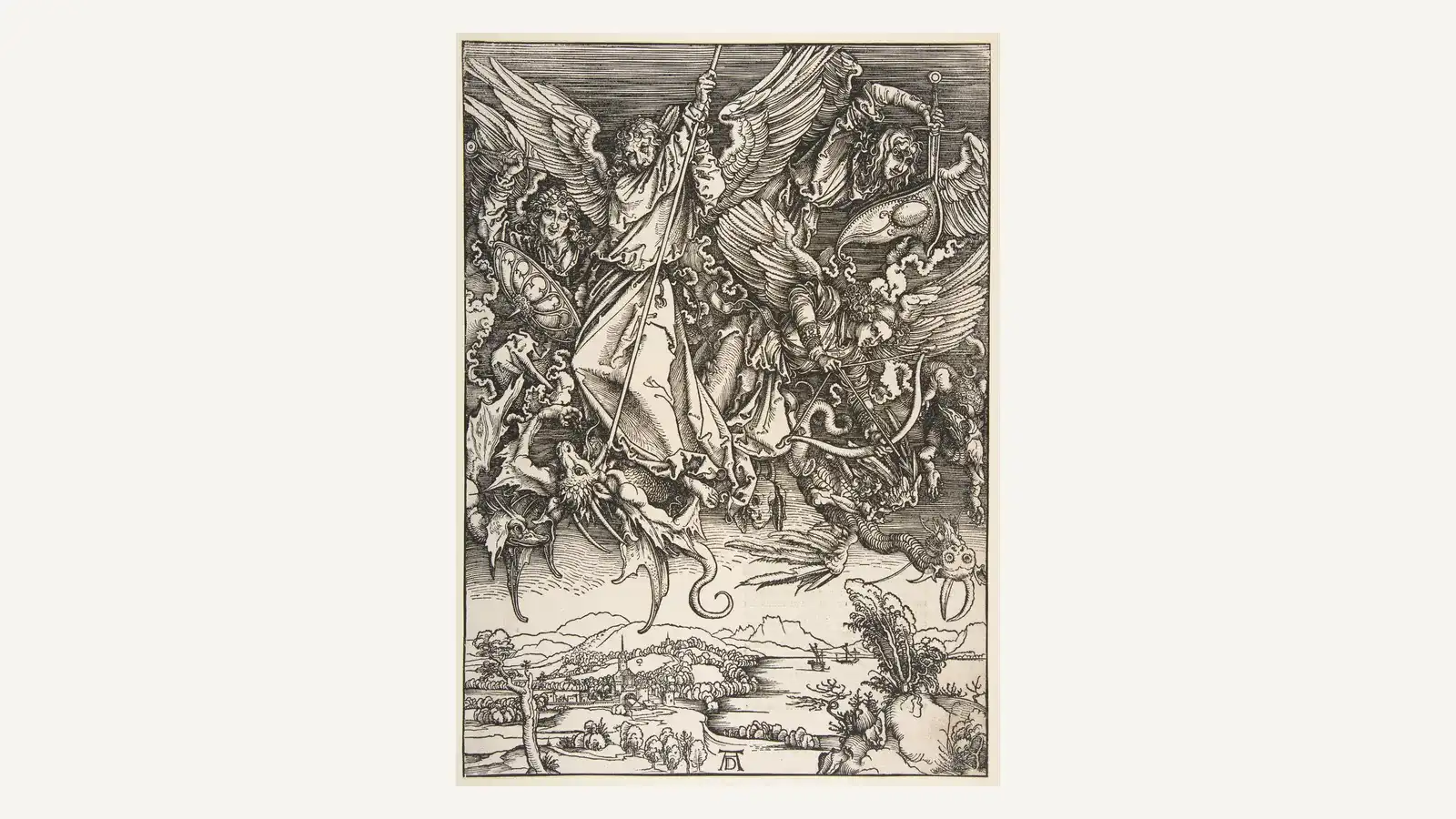
Pride, freedom and the dark side of the self are the themes people most often bring to Lucifer. Each one can help you or hurt you, depending on how you hold it. In this lesson you work with all three on paper, with exercises short enough to stay safe.
Two kinds of pride
Later tradition Pride is the sin Christian tradition most often pinned on Lucifer. Augustine made pride the beginning of all sin, Dante put the proud angel at the bottom of Hell, and Milton’s Satan stays proud to the end. Modern Luciferians often call pride a virtue instead: self-respect, dignity, refusing to grovel.
Modern Both views see something true. Healthy pride is satisfaction in good work and refusing to be humiliated, and people taught that they were worthless may need more of it, not less. Destructive pride is the belief that you are above correction and owed obedience. A useful test is how pride meets correction. Healthy pride can hear “you were wrong” and learn. Destructive pride rages or crumbles. In Paradise Lost, Satan, rebuked by the young angel Zephon, stands “abashed” and still cannot change course. That moment is worth remembering.
Pride in the history of ideas
Historical In Christian tradition, Lucifer’s sin was pride. Augustine of Hippo (354 to 430 CE) argued in The City of God (book 14, chapter 13) that pride, the desire to be one’s own source rather than to depend on God, was the beginning of all sin. Pope Gregory the Great (about 540 to 604) placed pride at the root of the seven deadly sins. Medieval art often showed Pride as a figure falling from a horse or a tower, echoing the fall of Lucifer.
Historical Ancient Greek thought had its own word, hubris, meaning arrogance that crosses a line, especially toward the gods or toward other people. Tragedies such as Sophocles’ plays showed characters destroyed by it. At the same time, Aristotle in the Nicomachean Ethics (book 4) praised megalopsychia, often translated “greatness of soul” or “proper pride”: an accurate sense of one’s own worth. So even in the ancient world, people distinguished a harmful pride from a healthy one.
Modern Psychology today makes a similar distinction. Researchers such as Jessica Tracy and Richard Robins have studied two kinds of pride: authentic pride, linked with achievement and self-worth, and hubristic pride, linked with arrogance and aggression. This lesson’s two kinds of pride rest on that line of thought.
A worked example: turning pride into a question
Imagine you finish a difficult project and feel proud. Ask two questions. First: what did I actually do well? Write it down plainly. That is authentic pride, and it is healthy. Second: do I feel better than the people around me? If the answer is yes, notice it without shame and ask what that feeling protects. Often it protects a fear of not being enough. Journaling this way turns the Lucifer image into a mirror for your own pride, without making you either arrogant or ashamed.
Variations. If you struggle with low self-worth, focus only on the first question for a month: one honest sentence each day about something you did well. If others often call you arrogant, focus on the second. If you were raised to believe all pride is sinful, read Aristotle’s description of proper pride and ask whether it fits your values.
What autonomy really asks
Modern Autonomy means self-rule: making your choices by your own values. It is often mistaken for doing whatever you want, but following every impulse makes you a servant of your appetites. Real self-rule includes saying no to yourself. It also ends where other people’s self-rule begins. If your freedom needs someone else’s harm or deception, it is domination.
A grown-up ethics of autonomy includes owning the results of your choices, respecting other people’s consent, being honest with yourself, keeping the promises you freely chose and knowing when to ask for help. Many Luciferian and Satanist groups put compassion beside freedom, and the Satanic Temple’s tenets name compassion and justice outright. Groups that use the symbol to excuse contempt for others have taken the worst part of the story.
To see where you stand, try an autonomy inventory. Draw two columns, “Chosen” and “Inherited”, and list ten beliefs, habits or values you live by. For three inherited ones, ask whether you still agree, and why. For three chosen ones, ask how you chose them and what would change your mind.
A psychological reading
Later tradition Many people read religious figures as images of the mind. C. G. Jung wrote about the shadow, the parts of ourselves we reject or do not see, and in Answer to Job (1952) about Satan in the Book of Job. His ideas are influential and debated, and much that is called “Jungian” online goes far beyond what he wrote.
Modern Some patterns are visible without any theory. Lucifer can stand for the part of you that wants to shine, which can drive great work or turn into arrogance. He can stand for the part that questions, the root of science and conscience, or of cynicism. He can stand for the part that falls: shame and failure, looked at without self-hatred.
And he can stand for the light that returns, as the Morning Star does. A shadow page uses one of these. Set a timer for ten minutes, pick one pattern and describe one recent, ordinary moment when it showed up before you interpret it. Write what that part needed and one small thing you will do this week. Then close the notebook and do something physical.
Questions beginners ask
Is Lucifer a symbol of pride or of freedom? Both, depending on the source. Christian theology emphasizes pride; Romantic poets and modern Luciferians emphasize freedom and knowledge. Knowing both helps you choose consciously.
Is it selfish to focus on autonomy? Healthy autonomy includes responsibility to others. Freedom without care quickly becomes the hubris the Greeks warned about.
What is the shadow in this context? Jung’s term for the parts of ourselves we deny. Lucifer as a figure can help us see our own denied ambition or anger.
Myths to drop: Pride is not always a sin in every tradition; many distinguish healthy and harmful forms. Lucifer is not mentioned by name as the proud angel in the Bible; that link was made by later interpreters reading Isaiah 14. And autonomy does not mean rejecting all relationships.
A worked example
Imagine someone filling in the pride page. On the “steadies me” side she writes finishing a hard report and refusing to laugh at a colleague’s cruel joke. On the “walls me off” side she writes ignoring her friend’s advice about money and not apologizing for being late, twice. For the money advice, the correction she refused was “you are overspending”.
She writes, “The pride I want to grow is the kind that can be told it is wrong.” The next week, her shadow page on “the part that wants to shine” shows she skipped lunch to look busy. Her small action: eat lunch away from the desk on Wednesday.
Try this
Draw a line down a page. Head one side “Pride that steadies me” and the other “Pride that walls me off”. Write two small moments from the last month on each side, then finish the sentence “The pride I want to grow is…”
Journal prompts: When did I last feel authentic pride? Where does hubristic pride show up in me? What would healthy autonomy look like in one relationship this month?
An old proverb, read slowly
Historical Proverbs 16:18, in the King James Version, gives the classic warning: “Pride goeth before destruction, and an haughty spirit before a fall.” Christian interpreters later read Isaiah’s fallen Morning Star as the great example of this proverb. It is worth noticing that the proverb is about a kind of pride, the “haughty spirit” that looks down on others, not about healthy self-respect. Keeping that difference in mind is the heart of this lesson.
A worked example: two kinds of pride in one week
Imagine you finish a difficult project at work. On Monday you feel quietly glad that you did it well and thank the colleague who helped. That is healthy pride: it is honest about your effort and generous to others. On Thursday you notice yourself dismissing a teammate’s idea before hearing it, because you feel you know best.
That is the haughty kind. In your journal you write both moments down without judging yourself harshly. Next to Thursday you add one small step: “Next time, ask one question before I answer.” This is what working with pride as a symbol looks like in ordinary life.
Shadow work, gently and safely
The idea of the shadow comes from Carl Jung, who used it for parts of ourselves we prefer not to see. Working with it does not mean digging up painful memories alone. For beginners, gentle shadow work means noticing small things: a reaction stronger than the situation called for, a quality that annoys you in others, a compliment you cannot accept. Write one such moment a week and ask what it might show you. If the work brings up trauma, grief or fear that overwhelms you, stop and talk to a therapist. Shadow work is not a substitute for care.
Practice variations
The pride inventory. Once a month, list three things you are rightly proud of and one place where pride got in your way.
The autonomy check. Before a decision, ask: “Is this my own choice, and have I considered the people it affects?” Both halves matter.
A beginner’s worry, answered. “Will thinking about pride make me feel worse about myself?” It should not. The aim is balance, not self-criticism. If the practice leaves you feeling small, spend more time on the list of things you are rightly proud of.
Recap
Christian tradition made pride Lucifer’s sin, while many modern Luciferians call it dignity. Both see part of the truth, and the test is how pride meets correction. Autonomy is self-rule, which includes saying no to yourself and stops where it would harm others. A psychological reading treats Lucifer as parts of the self. Shadow pages stay short, ordinary and kind, and end with something physical.
What next
Press “Mark as done” and continue with A reflective shelf and a Venus log. When a claim about Lucifer’s “true nature” surprises you, check it against the Lucifer myths.
Further reading: Augustine, The City of God, translated by Henry Bettenson (Penguin, 1972/2003). Jessica Tracy, Take Pride (Houghton Mifflin Harcourt, 2016).
Sources
- Augustine of Hippo, The City of God, books 12 and 14.
- John Milton, Paradise Lost, book 4 (1667; second edition 1674).
- C. G. Jung, Answer to Job (1952; English translation 1954).
- Ruben van Luijk, Children of Lucifer (New York: Oxford University Press, 2016).
Quick check
Go deeper: the Lucifer pages on this site, and The Novice's Guide to Witchcraft
Get the free Mini-Grimoire
A short printable starter guide to tarot and everyday witchcraft, plus my newsletter. Unsubscribe any time.
Opens Substack in a new tab to confirm. More about the newsletter · Privacy
Comments
Questions and notes from readers. Anyone with a free account can comment, and I reply when I can. Please read the community guidelines.
Comments load from Google Firebase (EU) when you ask for them. Nothing is stored on your device. Privacy