


In this lesson: a four-week starter plan, practice over the years, coming back after a break, a yearly review and a reading path.
You have learned the history, the respect, the altar, the night, the letters, the shadow work and the chart. This last lesson gathers them into a first month you can actually follow, and then looks further ahead. A practice that lasts is usually smaller than the one people imagine at the start.
A four-week start
Modern Everything here is modern practice, and it does not need to pretend otherwise.
- Week 1: Ground and read. Write your ground rules (lesson 8) and set up your reflective altar (lesson 7). Sit before it for one or two minutes on three days, and journal one line each time.
- Week 2: Voice. Write your first letter (lesson 10). On two other days, do the evening rite from lesson 7. Note how each felt.
- Week 3: Offering and night. Begin a daily or every-other-day offering of water (lesson 9). If the dark moon falls this week, do the dark moon sitting; otherwise choose any quiet evening.
- Week 4: Boundaries and review. Try one anger, autonomy or desire prompt from lesson 11, leaving the grief prompts for later. At the end of the week, read your journal from the start and write what you want to keep, change and drop.
After four weeks you have a practice. It may stay this small for a long time, and that is fine.
Why a slow start works
Modern Research on habit formation suggests that new routines take weeks or months to become automatic. A study by Phillippa Lally and colleagues at University College London, published in 2010, found that the time to automaticity varied widely, from 18 to 254 days, with a median of 66. The practical lesson is simple: be patient, start small, and do not judge yourself in the first month. A four-week start is the beginning of a habit, not the whole of it.
A worked example of the four weeks
Imagine someone beginning in late autumn. In week 1 she sets up a small shelf with one candle and a picture of a Lilith artwork she loves, such as Rossetti’s Lady Lilith. She sits for three minutes each evening and writes one line. In week 2 she adds the dark moon letter from lesson 10.
In week 3 she practices saying no at the altar and then, for real, declines an extra project at work. In week 4 she rereads her journal and finds that the strongest effect was not mystical but practical: she felt more able to protect her evenings. She decides to keep the letters and the three-minute sitting, and drop the candle on weeknights.
Living with several Liliths
Historical By now you know that the name Lilith covers many figures, from Mesopotamian night demons to the woman in Rossetti’s painting of 1866 to 1868. A mature practice does not need to choose one. Some devotees honor her as a modern symbol of autonomy and keep a respectful distance from the amulet tradition. Others read the historical sources each year and let their understanding grow. What matters is that you can say, at any moment, which layer you are drawing on.
Giving back
Modern Many people who work with Lilith as a figure of women’s autonomy choose to support causes that match those values: shelters for people escaping domestic violence, reproductive health charities or projects that preserve Jewish women’s history, such as the Jewish Women’s Archive. This is optional and modern, but it turns a private practice into something useful in the world.
Over months and years
Practice changes. At first Lilith may feel intense, a figure of anger and release. Later it often settles into something steadier: self-respect, clear boundaries, honest speech. Some people move on, and others keep her as one presence among several. Honoring other deities as well is fine, as long as you label each practice clearly. Lilith has no traditional holy days, so mark the year with points that matter to you, such as the monthly dark moon or the anniversary of starting.
When nothing seems to happen for weeks, that is common in every spiritual practice. Keep going in a very small way, switch to study, change the form, or pause. Do not escalate. Reaching for darker material or riskier experiences when practice feels flat is how people drift into unhealthy groups. Deeper means more attentive, not more extreme.
When life interrupts, come back simply. Clean the altar, light your candle or LED and say something like “Lilith, I have been away. I am here again, as I am.” These are my own modern words. Pour fresh water, write what happened and one small thing you will do this week. No apology is required. Rest is not an offense.
A yearly review, study and giving back
Once a year, perhaps on your anniversary or at a dark moon, set aside an hour. Read the year’s journal and ask: which practices did I keep, and which did I drop? What history changed my view? Where did I hold a boundary I would not have held a year ago? Did any part of practice cause harm or stress? Update your ground rules, and choose one thing to continue, one to change and one to try.
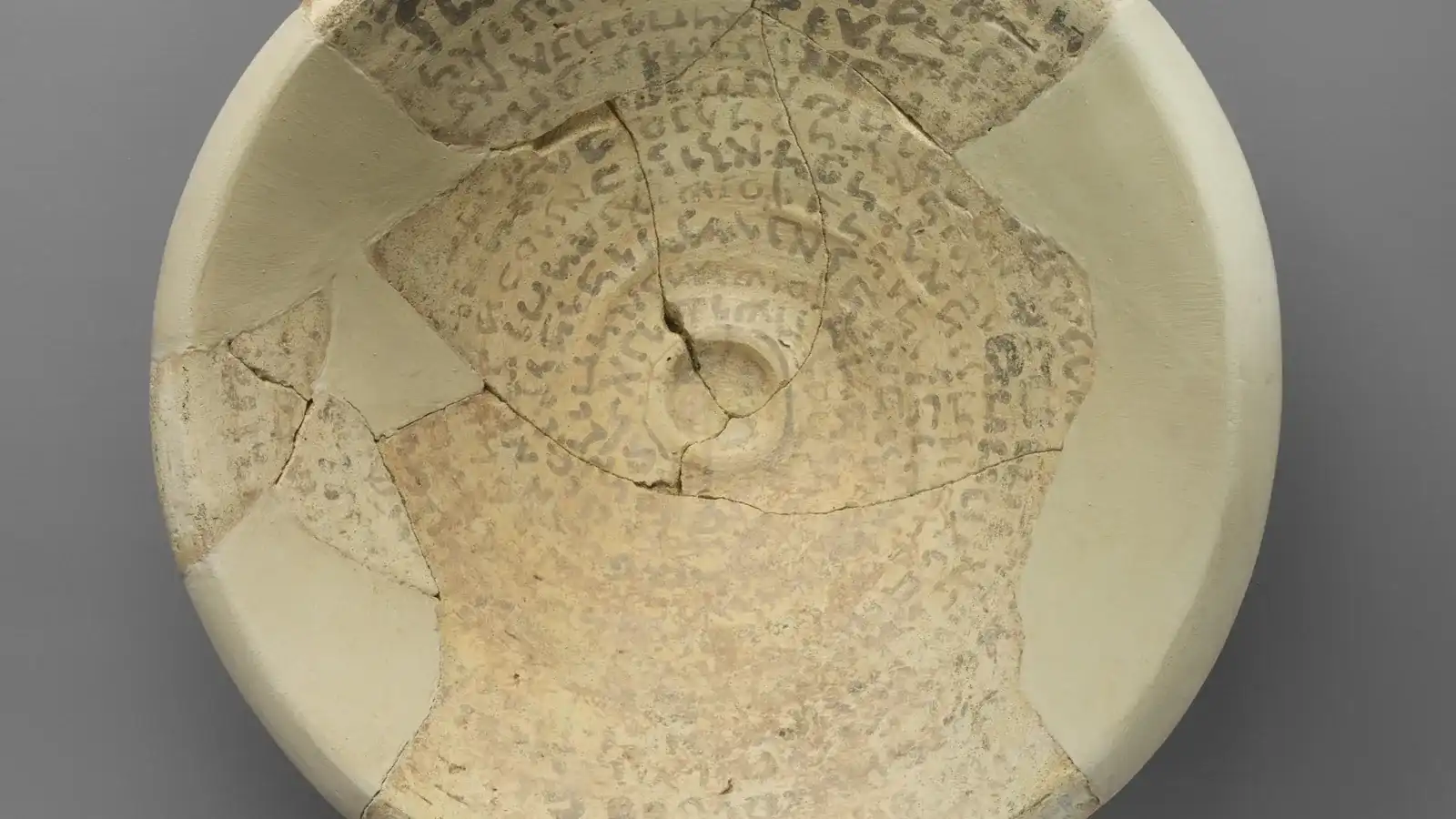
Historical Study keeps practice grounded. A first year of reading might begin with free primary sources: Isaiah 34 in several translations, the opening of Gilgamesh, Enkidu and the Netherworld and a few of Montgomery’s 1913 incantation bowls. Then read the Lilith chapter of Raphael Patai’s The Hebrew Goddess, classic though dated in places, the medieval story in Norman Bronznick’s translation in Rabbinic Fantasies and Judith Plaskow’s Jewish feminist answer, “The Coming of Lilith” (1972). Keep a small source notebook: for each claim, note where you read it, what it rests on, its layer and whether you checked it.
Modern Many practitioners feel that a relationship with Lilith calls for action. You might support services for survivors of sexual or domestic violence, or maternal and infant health, which answers the fears recorded in the old bowls. You might speak up when someone is pressured into an unequal arrangement, and learn to recognize and challenge antisemitism.
When practice ends
Some people find, after months or years, that their time with Lilith is over. That is a natural end, not a failure. Hold a last sitting, thank her in your own words, write what you are taking with you, and put away or give away the altar items. Keep the journal: it is a record of part of your life. No ritual is needed to leave. In its modern reading, her own story begins with the freedom to go.
Questions beginners ask
How long should I practice before I can call myself a devotee? There is no rule. Many people use the word after a year of steady practice, but it is your choice.
Can I stop and come back later? Yes. Close the practice respectfully, as described in “When practice ends”, and return when it feels right.
What should I read next? Start with one primary source in translation (Isaiah 34, the Alphabet of Ben Sira story, a Zohar passage) and one scholarly book. Then compare a modern devotional book against them.
What if my family disapproves? Keep your practice private and kind. You do not owe anyone a debate about your inner life, and you can also listen to their worries with patience.
Myths to drop: Lilith is not a goddess you must “serve” forever once you begin. A year of practice does not make you an expert on Jewish mysticism. And there is no secret initiation needed to continue.
A worked example
Imagine someone who finishes this course in late autumn. She runs the four-week start through November, and by week four her journal shows two things that stick: the water cup and the monthly dark moon sitting. She drops the mirror, which never felt right. In March work swallows her and she stops for six weeks, then comes back with the return words and a single page of notes.
On the anniversary she does her first yearly review, adds one ground rule and reads the letter she sealed a year earlier. One line in it, “I hope I can say no to my sister without a week of guilt”, makes her laugh, because she now can.
Try this
Write a letter to yourself one year from now. Describe where your practice and life are today, what you hope to have learned and let go, and one boundary you hope to be holding. Seal it, write the opening date on the envelope and read it before your first yearly review.
Journal prompts: Which Lilith have I been working with, and has that changed? What did the four weeks teach me about my own habits? What do I want my practice to look like a year from now?
A beginner’s worry, answered. “Four weeks feels too short to matter.” It is a beginning, not a finish. Four weeks is long enough to learn whether a practice fits your life, and short enough to stop without guilt if it does not. Many lasting practices began as a small experiment.
If you miss a week. Life happens. If a week of the four slips past, do not start again from the beginning and do not scold yourself. Simply pick up with the next week’s step, and write one line in your journal about what got in the way. That line is useful information: it tells you what kind of practice fits the life you actually have.
Recap
A four-week start builds a small, complete practice: ground and read, voice, offering and night, boundaries and review. Practice changes over time, has no traditional holy days and should never escalate when it feels flat. Coming back needs no apology. A yearly review, a slow reading path and a source notebook keep it honest, giving back is a fitting modern answer, and ending is always allowed.
What next
You have finished Lilith for Beginners. Press “Mark as done” and claim your certificate of completion. To keep reading, start with Lilith in the sources and my sources page.
Further reading: Phillippa Lally et al., “How are habits formed”, European Journal of Social Psychology 40 (2010). Delaware Art Museum’s online collection has Rossetti’s Lady Lilith with notes.
Sources
- James A. Montgomery, Aramaic Incantation Texts from Nippur (Philadelphia: University Museum, 1913).
- Raphael Patai, The Hebrew Goddess (third edition, Detroit: Wayne State University Press, 1990).
- Judith Plaskow, “The Coming of Lilith” (1972), reprinted in The Coming of Lilith: Essays on Feminism, Judaism, and Sexual Ethics, 1972 to 2003 (Boston: Beacon Press, 2005).
Quick check
Go deeper: the Lilith pages on this site, and The Novice's Guide to Witchcraft
Your certificate with an account
You have finished every lesson of Lilith for Beginners. Well done. Your free certificate of completion is waiting.
Your certificate is ready.
Get the free Mini-Grimoire
A short printable starter guide to tarot and everyday witchcraft, plus my newsletter. Unsubscribe any time.
Opens Substack in a new tab to confirm. More about the newsletter · Privacy
Comments
Questions and notes from readers. Anyone with a free account can comment, and I reply when I can. Please read the community guidelines.
Comments load from Google Firebase (EU) when you ask for them. Nothing is stored on your device. Privacy