


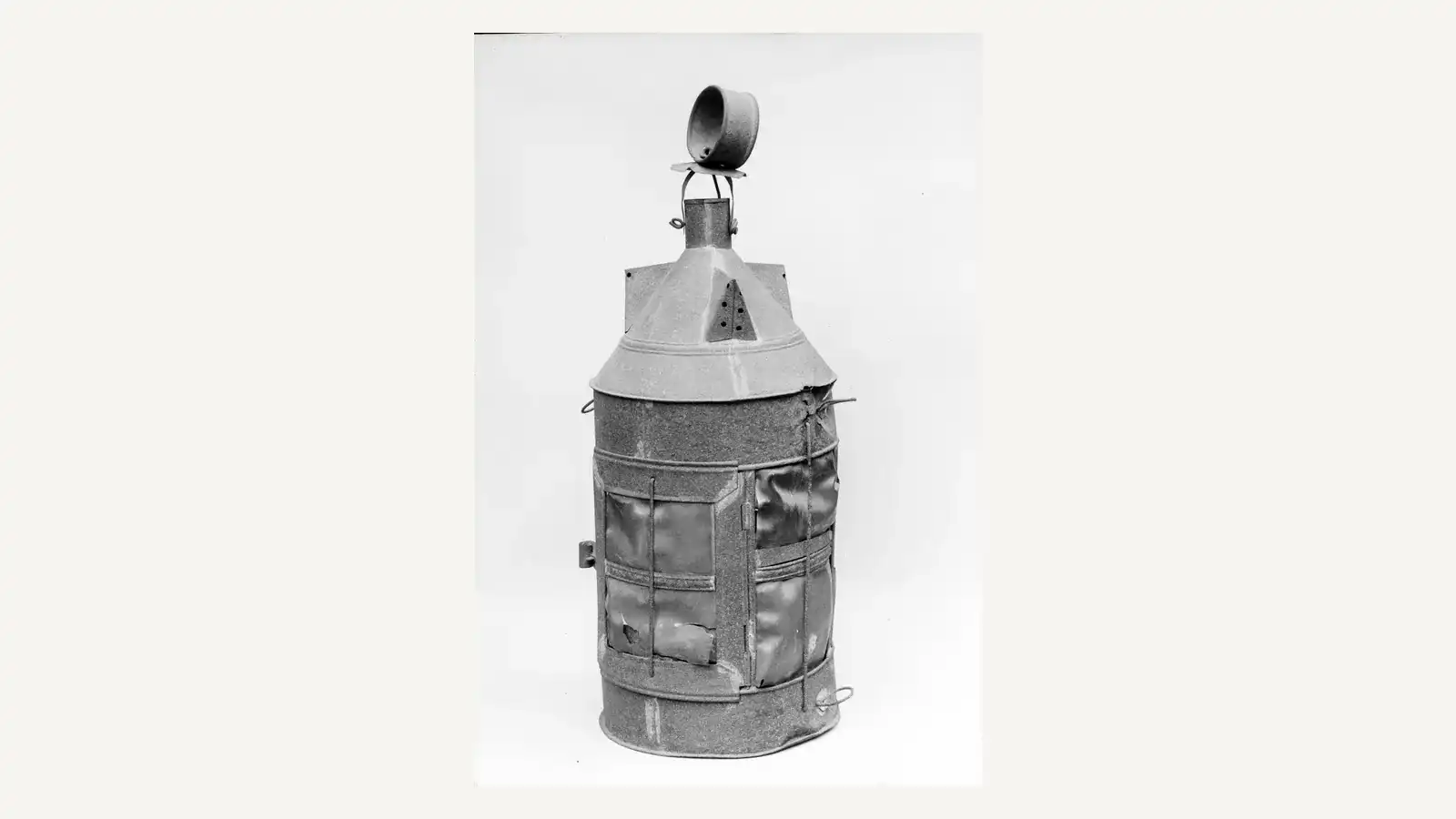
In this lesson: lucifer as a symbol of light, knowledge and self-rule, and a safe practice of finding Venus, the Morning Star, with your own eyes.
After six lessons of history, we come back to where the name began: a light in the sky before dawn. For modern Luciferians, Lucifer is above all a symbol of light, knowledge and autonomy. You do not have to adopt that view to find the symbol useful, because the images of light it draws on belong to everyone. This lesson looks at those images and then gives you a first practice that is not a ritual at all: finding the Morning Star with your own eyes.
Three kinds of light
Modern Modern Luciferians read Lucifer mainly as a symbol of light, knowledge and autonomy, and they draw on three old images of light. In scripture, “Let there be light” (Genesis 1:3) is one of the first gifts of creation, and light stands for presence, truth and goodness.
In philosophy, Plato’s allegory of the cave (Republic, book 7) tells of prisoners who mistake shadows for reality until one is freed and sees the Sun. And the thinkers of the seventeenth and eighteenth centuries took the name Enlightenment from the same image: reason as a light that dispels superstition. You do not have to call yourself a Luciferian to find these images useful. They are a shared inheritance.
Light-bringers in other stories
Historical Lucifer is not the only light-bringer in old stories. In Greek myth, Prometheus steals fire from the gods and gives it to humans, and in Hesiod he is punished for it. Romantic poets often compared Prometheus with Milton’s Satan as rebels who paid for a gift. Modern Modern Luciferians sometimes draw on both figures. You can see why: each is a symbol of knowledge taken at a cost.
In 1784 the philosopher Immanuel Kant wrote a short essay, “What is Enlightenment?”, which begins with a motto: Sapere aude, “dare to know”. It has nothing to do with Lucifer. It shows how deep the link between light, courage and knowledge runs in European thought.
A practice: find the Morning Star
Modern My suggested first practice is not a ritual. It is astronomy.
- Check in an astronomy app or almanac whether Venus is now a morning or an evening star. You looked this up in lesson 2.
- Choose a clear morning or evening and a place with a low view of the eastern or western horizon.
- Go out about 45 minutes before sunrise, or 30 minutes after sunset.
- Find the brightest point of light low in the sky. That is Venus.
- Watch it for at least five minutes. Notice its color, its steadiness and how the sky changes around it.
- Before you leave, say silently or aloud what it is: “That is Venus, the Morning Star, called Lucifer by the Romans.” Add anything else you want to say.
- Write the date, time, place, weather and what you saw.
That is all. You have seen with your own eyes the light that gave Lucifer his name, and you have done it without fear and without promises.
Living with the symbol
Over eight years, you can watch Venus repeat its dance. Keep a knowledge practice by reading one primary source a season: Isaiah 14, a canto of Dante, a book of Milton. Look at the limits you wrote in lesson 6 now and then. And take out the page from lesson 1 with the three names, Lucifer, Satan and Devil, and see what has changed.
Plato’s cave, in an old translation
Historical Benjamin Jowett’s translation of the Republic (1871) is free on Project Gutenberg. Book 7 begins: “Behold! human beings living in a underground den, which has a mouth open towards the light and reaching all along the den; here they have been from their childhood, and have their legs and necks chained so that they cannot move.” Socrates goes on to describe a fire behind them and shadows on the wall, which the prisoners take for reality. One is freed, turns around and, painfully, climbs out into the sunlight.
Read the passage once, slowly. Notice that the light hurts at first. The freed prisoner needs time before he can see. Plato’s point is that real understanding is a gradual, sometimes uncomfortable process. That is a useful lesson for anyone drawn to light as a symbol: clarity is earned slowly, through patient learning, not seized in a single dramatic moment.
Light shared across traditions
The Morning Star image belongs to many voices. In Revelation 22:16, Christ calls himself “the bright and morning star”. In Roman poetry, lucifer is the light that ends the night. In modern Luciferian writing, it stands for knowledge and self-rule. In astronomy, it is a rocky planet wrapped in clouds. You can hold these meanings side by side without forcing them into one. Knowing that the symbol is shared is itself a form of respect: no single group owns the light before dawn.
Observation variations
The evening version. When Venus is an evening star, step out about half an hour after sunset and find it low in the west. The evening practice is often easier for people who do not rise early.
A binocular look. Steady binoculars, resting on a wall, show Venus as a brilliant point; a small telescope can reveal its phase. Never point any optical aid near the Sun.
A cloudy-day practice. On days when the sky is hidden, read one short primary source instead, such as Isaiah 14:12 or the cave passage above, and write three lines about light.
An eight-year log. Keep a single page where you note each time you see Venus, with the date and whether it was morning or evening. Over years, the page becomes a record of the cycle the ancients watched.
A reading variation for the year
Read one light-themed text each season. In winter, Genesis 1 and the cave passage. In spring, Isaiah 14 and Ezekiel 28. In summer, the opening of Paradise Lost. In autumn, Kant’s short essay on Enlightenment. After each, write one paragraph on what light means in that text and one on what it means to you. By the end of the year you will have traced the symbol through scripture, philosophy, poetry and the Enlightenment, in your own words.
Questions beginners ask
Do I need to believe in Lucifer to do this practice? No. Finding Venus is astronomy. What it means to you is up to you.
Can a Christian do it? Yes. Christians, too, call Christ the morning star, as you saw in lesson 3.
What if Venus is too close to the Sun right now? Wait a few weeks. Your astronomy app will show when it reappears. Never look near the Sun without proper solar protection.
Will I see the phases? With binoculars, sometimes, when Venus is a thin crescent. Never point binoculars toward the Sun.
Myths to drop:
- “Using Lucifer as a symbol means worshipping the Devil.” Symbols carry many meanings, and this one began as the morning star.
- “Light symbolism belongs to one group.” It belongs to scripture, philosophy and science alike.
- “A practice needs a ritual to count.” Watching the sky with attention is enough.
A worked example
Imagine someone on a cold March morning, standing at the end of her street 45 minutes before sunrise. Her app says Venus is a morning star this month. At first she sees nothing but streetlights, then a steady white point above the rooftops in the east, brighter than anything else in the sky.
She watches it for five minutes while the sky turns from navy to grey. She says quietly, “That is Venus, the Morning Star, called Lucifer by the Romans,” and walks home. In her notebook she writes the date, the time, “clear, minus two” and “steadier than a star, like a lamp”. Next to Lucifer on her lesson 1 page, she adds: “a light before dawn”.
A beginner’s worry, answered. “Is a symbol practice enough, or am I missing the real thing?” A symbol practice is a real thing. Watching the Morning Star, reading primary sources and thinking about what light means in your life are complete and honest ways to live with Lucifer as a symbol. Nothing more dramatic is needed, and nothing more dramatic is promised in this course.
Another worry. “What if I never see Venus because of weather?” Some seasons are cloudy for weeks. Keep the reading practice going and try again when the sky clears; Venus stays in the morning or evening sky for months at a time.
Try this
Go out once before sunrise or after sunset, whichever fits Venus this month, and find the Morning or Evening Star. Write the date, time, place, weather and what you saw.
Journal prompts: What does light mean to me: truth, knowledge, hope or something else? Where in my life do I want more clarity? How did it feel to see the planet behind the name?
Recap
Modern Luciferians read Lucifer as a symbol of light, knowledge and autonomy, drawing on shared images: light in Genesis, Plato’s cave and the Enlightenment. The first practice in this course is simply finding Venus in the sky and recording what you see. Living with the symbol means watching the Venus cycle, reading primary sources, keeping your limits and noticing how your understanding has changed since lesson 1.
What next
You have finished the history half of Lucifer for Beginners. Press “Mark as done” and continue with Ground rules and a question a week, where the practical half of the course begins. Revisit the Lucifer myths whenever a new claim surprises you.
Further reading: Plato, Republic, book 7, in any good translation. Immanuel Kant’s essay “What is Enlightenment?” is free online in many translations. Sky and Telescope and NASA publish free monthly guides to where Venus is in the sky.
Sources
- Plato, Republic, book 7.
- Cicero, On the Nature of the Gods 2.53.
- Genesis 1:3, King James Version (1611).
- Lauri Mukkala, The Novice’s Guide to Witchcraft, chapter 7, “Moon Magic”.
Quick check
Go deeper: the Lucifer pages on this site, and The Novice's Guide to Witchcraft
Get the free Mini-Grimoire
A short printable starter guide to tarot and everyday witchcraft, plus my newsletter. Unsubscribe any time.
Opens Substack in a new tab to confirm. More about the newsletter · Privacy
Comments
Questions and notes from readers. Anyone with a free account can comment, and I reply when I can. Please read the community guidelines.
Comments load from Google Firebase (EU) when you ask for them. Nothing is stored on your device. Privacy