


For many beginners, spells are the most exciting part of witchcraft and also the most confusing. Online you will find everything from gentle candle rituals to elaborate curses, and very little explanation of what a spell actually is or why anyone would expect it to help. In this lesson you will learn to build a simple spell you can explain to a sceptical friend, and to understand protection as care for your home and yourself rather than a magical force field. Both skills keep your practice honest and safe.
How a simple spell is built
Modern In plain terms, a spell is a small ritual. You name an aim, say a few words and do one symbolic action that marks it. Most simple spells have seven parts.
- Aim: one sentence about your own actions or attention, as in lesson 2.
- Timing (optional): a moon phase or weekday if it helps you remember. Any evening works.
- Materials: only what you have and can use safely, such as paper, a candle in a holder, a pouch or a jar.
- Words: a short line you write yourself. No rhyme or old-fashioned language needed.
- Action: light, write, tie, fold or place something that marks the aim.
- Closing: say you are done, put out any flame and note the date.
- Cleanup: put tools away and dispose of leftovers responsibly.
Do spells really work? Honestly, nobody can prove that they do. What I can say is that a spell gives you a clear aim, a calm moment and a reason to act, and those help in very ordinary ways. Treat a spell as something you do alongside practical steps, never instead of them.
After the spell comes the part that matters most: the ordinary step, meaning the email, appointment or habit you will still do, and a review date in your notebook.
Why symbols work on us
Later tradition In The Golden Bough (1890), the anthropologist James George Frazer described much folk practice as sympathetic magic and split it into two “laws”. The first is that like suggests like, as when a tied knot stands for binding a habit. The second is that things once in contact stay linked, which is why old charms used hair or clothing. Modern scholars find Frazer’s theory too tidy, but his two ideas still describe how many simple spells are built. Whatever else you believe, a vivid symbolic act helps you remember and commit to an aim.
A worked example: the intention candle
Imagine someone who has been putting off asking for a meeting about a raise. Her aim: “I will ask my manager for a salary review this week.” On Sunday evening she sets a small candle in a fireproof holder on a clear table. She grounds and centers with the three-minute reset, softens her gaze and states the aim once, out loud.
She sits with the light for four minutes, thinking about what she will say. Then she puts the flame out with a lid, says “done” and writes the date in her notebook. On Monday morning she sends the email. That email is the ordinary step, and it is the part that can actually change her salary. The candle made it easier to send.
Protection magic in history
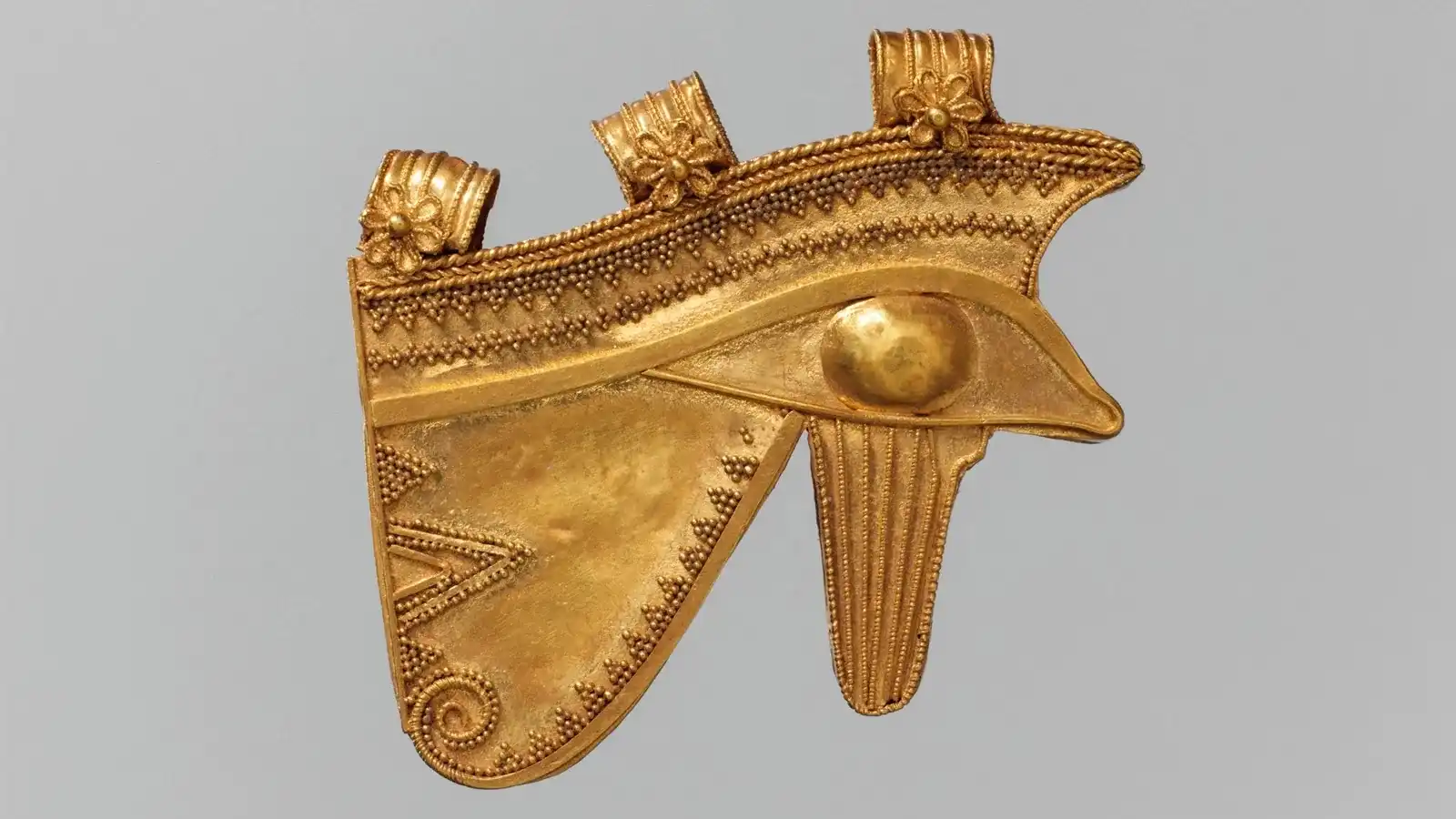
Historical Protective charms are among the oldest and most widespread forms of magic. In ancient Egypt people wore amulets such as the Eye of Horus (wedjat) for protection and health. In ancient Greece and Rome, people used the apotropaic eye, apotropaic meaning “turning away” evil, painted on drinking cups and shields. The Mediterranean blue eye bead, the nazar, continues this idea today.
Historical In early modern England, people hid witch bottles in walls and under hearths. These were stoneware jars, often decorated with a bearded face (known as Bellarmine jugs), filled with pins, nails, hair and urine. Archaeologists have found over two hundred of them, mostly from the seventeenth century.
Shoes concealed in walls and chimneys, a custom documented from the medieval period to the twentieth century, are another example. The Northampton Museum in England keeps an index of thousands of these concealed shoes. Carved apotropaic marks, such as overlapping Vs or daisy wheels, appear near doors and windows in old buildings across Britain. Historic England has recorded many examples.
Modern These finds show what people feared and how they tried to protect their homes. They also show that protection magic was usually practical and domestic: doors, windows, chimneys and beds, where people felt vulnerable.
Worked examples of modern protection
A threshold practice. Each morning, as you leave the house, touch the door frame and say: “Safe out, safe in.” Lock the door properly. The words calm you; the lock protects the house.
A protection jar, modern and safe. Fill a small clean jar with salt, a sprig of rosemary and a written note of your intention, seal it and keep it by the door. Do not include sharp objects or bodily fluids, which can be a hygiene risk and are unnecessary. Refresh it once a year.
Digital protection. Many modern protection needs are online. Pair a symbolic act, such as drawing a protective sign on a sticky note on your laptop, with practical steps: a password manager, two-factor login and a review of privacy settings. This is protection magic for the twenty-first century.
Social protection. Tell a friend when you go on a first date, share your location with someone you trust, and know your local emergency number. These are the most reliable protections there are.
Protection starts with the ordinary
Modern In this course, protection means habits, symbols, locks, consent and common sense. Before you call a headache, dizziness or a cold spot “energy”, check ordinary causes. Carbon monoxide has no smell or color and feels like flu without a fever; if an alarm sounds or several people or pets feel ill at once, get everyone outside and call emergency services. Flickering lights or warm outlets need an electrician, and a musty smell needs the damp fixed.
Historical Historians call objects meant to turn away harm apotropaic. In England, horseshoes were nailed over doors, and in the 1500s and 1600s some households buried witch bottles: stoneware jars with pins, nails, hair and urine, meant to turn a suspected witch’s spell back on her. Archaeologists still find them under hearths and thresholds.
Modern A gentle modern version starts at the door. Clear the clutter, wipe the threshold and say, “I notice who and what I let in.”
What this lesson does not teach
There are no spells here to make a specific person love, hire or obey you, no needles or broken glass in jars and no curses. If someone is threatening you, ritual is not the response: get practical help first, from people you trust, the police or a support service.
Closing a spell and recording the result
Beginners often forget the end of a spell. A clear close helps your mind shift from ritual back to ordinary life. When you have finished, say a simple line such as “It is done”, put out the candle with a snuffer or by pinching a small flame with wet fingers, and tidy the space. Then eat something small, drink a glass of water, or step outside for a minute.
Next, write the entry in your Book of Shadows while it is fresh: the date, your intention in one sentence, what you used, the ordinary action you promised yourself and how you felt. Leave space underneath. One week later and one month later, come back and add what happened. Be honest, including “nothing changed” or “I forgot to do the practical step”. These notes will teach you more about your practice than any book.
A variation for protection. Instead of a candle, write a short protective sentence on a card, such as “My home is a calm and safe place”, and tuck it inside your front door frame or under the doormat. Each time you come home, you remember it. Pair it with the ordinary step that matters most: checking the locks.
A beginner’s worry, answered. “What if I said the words wrong?” There are no magic words that fail if you stumble. Pause, breathe and say it again in your own way. Sincerity matters far more than perfect phrasing.
Questions beginners ask
Do I need protection before every spell? Many witches do a short grounding or circle first because it helps them focus. There is no evidence that simple practices are dangerous without it.
Can someone curse me? Fear of curses is very old. If you feel cursed, look first at practical causes of stress and bad luck, and talk to someone you trust. Fear itself can make life harder, which is why calm routines help.
What about hexing? This lesson does not teach curses. They aim at someone else’s will and can harm your own peace of mind.
Myths to drop: You do not need expensive crystals for protection. Salt circles do not keep out every danger; locks and support networks do. And protection is not paranoia; it is ordinary care.
Try this
Do the intention candle once, with an ordinary step and a review date in your notebook. Then walk your home once and check that doors and windows lock and that the smoke alarm works. Write one ordinary fix you will make this week.
Journal prompts: Where in my life do I feel least protected? Which practical step could I take this week? What symbol of protection means the most to me?
Recap
A simple spell has an aim, optional timing, safe materials, your own words, a symbolic action, a closing and cleanup, followed by an ordinary step and a review date. Frazer’s ideas of “like suggests like” and contact explain how many spells are built. Protection begins with ordinary safety: carbon monoxide alarms, locks and repairs come before energy explanations. Historical charms like witch bottles show how old the wish for protection is, and this course never uses spells to control other people.
What next
Press “Mark as done” and continue with Candle magic, step by step. For more, read about spellcraft, protection and home protection.
Further reading: Brian Hoggard, Magical House Protection: The Archaeology of Counter-Witchcraft (Berghahn, 2019). Historic England’s public pages on apotropaic marks.
Sources
- Lauri Mukkala, The Novice’s Guide to Witchcraft, chapter 8, “Spellcrafting”, and chapter 10, “Simple Protection Magic”.
- James George Frazer, The Golden Bough (London: Macmillan, 1890).
- Owen Davies, Popular Magic: Cunning-folk in English History (London: Hambledon Continuum, 2003).
Quick check
Go deeper: The Novice's Guide to Witchcraft
Get the free Mini-Grimoire
A short printable starter guide to tarot and everyday witchcraft, plus my newsletter. Unsubscribe any time.
Opens Substack in a new tab to confirm. More about the newsletter · Privacy
Comments
Questions and notes from readers. Anyone with a free account can comment, and I reply when I can. Please read the community guidelines.
Comments load from Google Firebase (EU) when you ask for them. Nothing is stored on your device. Privacy