


How to read the labels Historical what the old sources say. Later tradition what later writers added. Modern modern practice and my own notes.
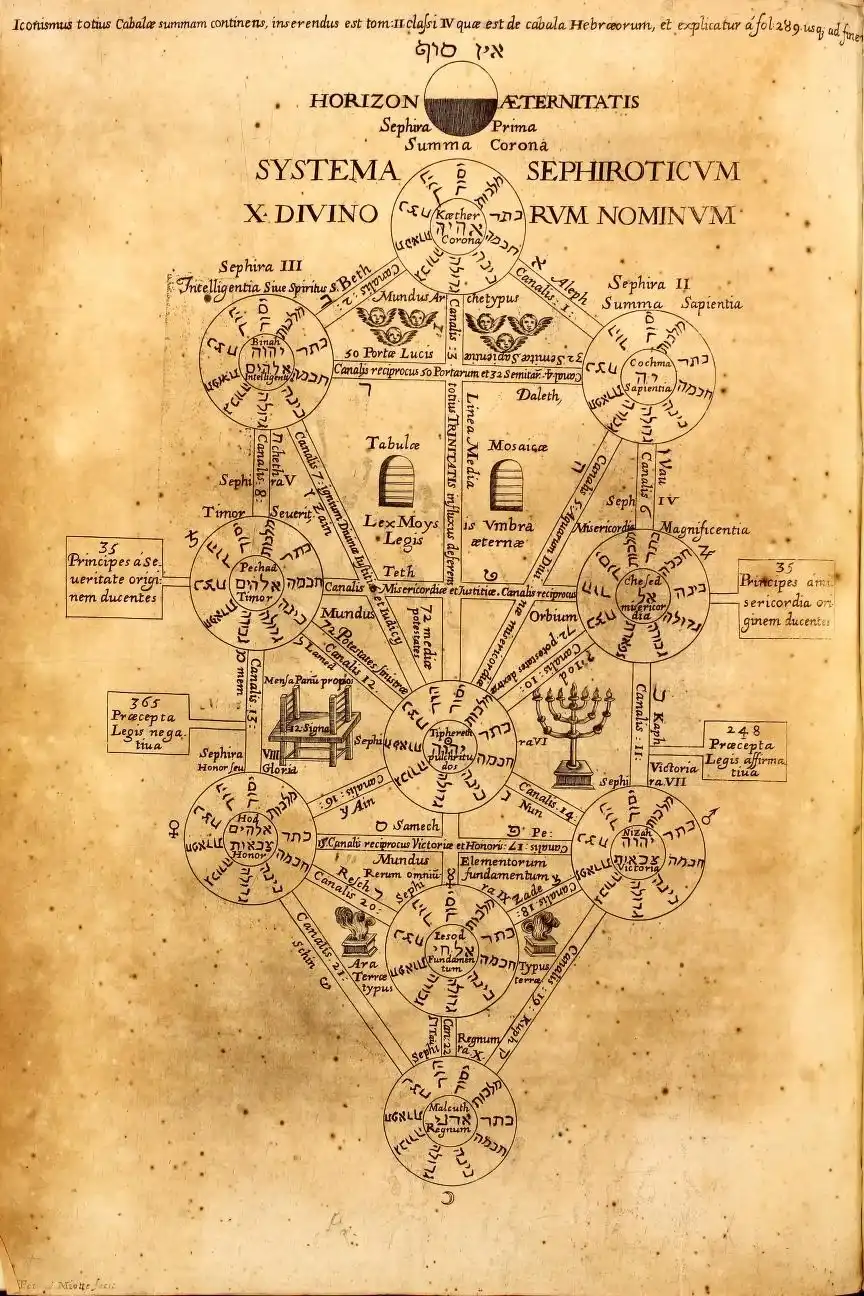
Correspondences are symbolic associations: an element, a planet, a color or a day of the week stands for a theme, the way a flag stands for a country. Spell books are full of them, and beginners often feel they must learn them all before they can begin. You do not. They are a menu, not a recipe.
On this page I gather the most useful tables in one place: elements, days, planets, moon phases, colors, numbers, times of day, seasons and directions. Each one is labelled so you can see where it comes from, and each row says what it is not for.
What correspondences are (and are not)
Later tradition The lists below follow a common Western lineage that runs from Renaissance magic, such as Agrippa’s Three Books of Occult Philosophy (1533), through the Hermetic Order of the Golden Dawn into modern Wicca. Plant rulerships come mostly from Renaissance herbals and astrology, such as Nicholas Culpeper’s Complete Herbal (1653).
Other systems disagree, and some cultures have their own maps that are not versions of this one.
Correspondences are a shared symbolic language, not a mechanism. They can help you design a spell that feels coherent. They do not make it work or fail, and nothing here predicts events or replaces medical, legal, financial or mental health care.
Plants and stones named here are labels only. Check the safety notes on the herbs and crystals pages before you handle any of them.
Elements
Modern Northern Hemisphere layout. Many Southern Hemisphere practitioners swap fire and earth.
| Element | Direction | Color | Tool | Season and time | Themes | Not for |
|---|---|---|---|---|---|---|
| Earth | North | green, brown or black | pentacle | winter, midnight | stability, home, body | money, job or health decisions |
| Air | East | yellow | athame or wand | spring, dawn | thought, speech, travel | replacing study |
| Fire | South | red | wand or athame | summer, noon | change, courage, passion | uncontrolled flame |
| Water | West | blue | chalice | autumn, dusk | emotion, dreams, intuition | emotional or mental health treatment |
Modern These pairings follow the common Western elemental system.
| Element | Herbs and plants | Stones |
|---|---|---|
| Earth | Oats, wheat, rice, salt, oak | Agate, jasper, mookaite, unakite, river stones |
| Air | Anise, lemon balm, mint, marjoram, parsley | Kyanite, celestite, sodalite |
| Fire | Allspice, black pepper, cinnamon, ginger, orange, sunflower, juniper | Garnet, ruby, sunstone, pyrite |
| Water | Apple, catnip, hibiscus, jasmine, vanilla, violet, willow | Aquamarine, chrysocolla, calcite |
For spirit, use any plant or stone that holds personal meaning for you. The elements page has practices for each one.
Days of the week
Later tradition Planet-day pairings are old: the seven-day week was named for the seven classical planets in the Roman world. Optional timing only. Your real schedule comes first, and any day works.
| Day | Planet | Colors | Themes | Not for |
|---|---|---|---|---|
| Sunday | Sun | gold, yellow | visibility, confidence | medical plans |
| Monday | Moon | silver, white | home, dreams | fertility treatment |
| Tuesday | Mars | red | courage | picking fights |
| Wednesday | Mercury | orange, yellow | speech, study | manipulating someone’s words |
| Thursday | Jupiter | blue, purple | learning, generosity | court or gambling decisions |
| Friday | Venus | green, pink | affection, art | consent-skipping love spells |
| Saturday | Saturn | black, brown | limits, finishing | binding others |
Sunday (Sun). Good for confidence and success, such as a confidence spell. Color: gold or yellow.
Monday (Moon). Good for home, dreams, and family spells. Color: silver or white.
Tuesday (Mars). Good for courage and boundaries. Color: red. The English name comes from Tiw; Finnish tiistai comes from the same Germanic god by way of Swedish.
Wednesday (Mercury). Good for study, communication, and travel. Color: orange or yellow. The English name comes from Woden.
Thursday (Jupiter). Good for money, work, and growth. Color: blue or purple. The English name, and Finnish torstai, come from Thor.
Friday (Venus). Good for love, friendship, beauty, and art. Color: green or pink. The English name comes from Frigg.
Saturday (Saturn). Good for endings, boundaries, protection, and banishing. Color: black or dark blue.
Planets with herbs and stones
Later tradition These lists connect the seven classical planets with common plants and stones. Planetary rulerships for plants come mostly from Renaissance herbals and astrology, such as Nicholas Culpeper’s Complete Herbal (1653); rulerships for stones are mostly modern.
| Planet | Herbs and plants | Stones |
|---|---|---|
| Sun | Sunflower, orange, cinnamon, bay, St. John’s wort (display and folklore only) | Sunstone, citrine, garnet, Herkimer quartz |
| Moon | Jasmine, willow, poppy seed, lemon balm | Moonstone, selenite (dry), aquamarine, celestite |
| Mercury | Dill, fennel, marjoram, lemon, mint | Agate, sodalite, aventurine |
| Venus | Apple, violet, vanilla, cardamom, hibiscus, catnip | Rhodonite, peridot, amazonite (dry) |
| Mars | Black pepper, ginger, pine, coriander | Garnet, ruby, red jasper, pyrite (dry) |
| Jupiter | Oak, nutmeg, anise, star anise, hops (display only) | Sapphire, lepidolite (dry), sodalite |
| Saturn | Juniper, cedar, poppy seed | Jet, onyx, black obsidian, shungite (dry) |
Some plants appear under different planets in different books. Choose the association that makes sense to you.
Moon phases
Modern Symbolic timing. The phase sequence is the same worldwide.
| Phase | Themes | Typical use | Not for |
|---|---|---|---|
| New moon | beginnings, quiet aims | write one aim about your own behavior | wishes about other people’s choices |
| Waxing crescent | early growth | one small next step | love work aimed at a specific person |
| First quarter | choice, effort | act on one obstacle you control | forcing other people |
| Waxing gibbous | refine, adjust | edit a plan, practice a skill | treating drinks as medicine |
| Full moon | culmination, clarity | review, divination as reflection | big decisions because the moon says so |
| Waning gibbous | share, thank | note gratitude, give away surplus | dumping emotions on someone |
| Last quarter | endings, release | stop one habit you choose to stop | cord-cutting as trauma therapy |
| Waning crescent | rest, pause | sleep, journal, lighter practice | obligatory shadow work in crisis |
The moon pages explain each phase and give rituals for the full, new and dark moon.
Colors and numbers
Modern The short version: red for courage, orange for creativity, yellow for study, green for growth, blue for calm, purple for ritual, pink for kindness, black for boundaries, white for anything. The candle color meanings page has the full table of twelve colors, with what each is not for.
Modern Numbers appear in spells as repetitions (say the words three times), counts (seven knots, nine stones), and dates. The meanings below draw on modern numerology and witchcraft books, which in turn borrow from Pythagorean and Renaissance number symbolism. They are a common version, not a fixed code.
| Number | Meaning and use |
|---|---|
| One | Beginnings, unity, the self, focus. A single candle, a single intention. |
| Two | Partnership, balance, choice, duality. Paired candles for relationships. |
| Three | Creation, growth, completion of a pattern; the most common magical repetition in European folk charms, and the threefold goddess of modern Wicca. Saying words three times. |
| Four | Stability, structure, the four elements, the four directions, the four seasons. |
| Five | Change, the senses, the pentagram’s five points, the human body (head, arms, legs). |
| Six | Harmony, home, care, beauty. |
| Seven | Mystery, wisdom, spiritual search; the seven classical planets and days of the week. |
| Eight | Abundance, power, cycles; the eight sabbats of the Wheel of the Year. |
| Nine | Completion, wisdom; three times three, a common number in folk charms (nine knots, nine herbs). |
| Ten | Completion of a cycle, wholeness. |
| Twelve | The zodiac, the months, cosmic order. |
| Thirteen | The lunar months in some years; the traditional size of a coven in later Wiccan lore. The idea that covens had thirteen members comes largely from Margaret Murray, whose evidence historians reject. Thirteen is unlucky in some cultures and lucky in others. |
Using numbers in spells. Choose a number of repetitions, knots, or items that suits your goal: three for growth, four for stability, seven for wisdom, nine for completion. Or use a number that means something to you: your birthday, your house number, the number of people in your family.
Times of day, seasons and directions
Modern Many witches match the time of day to the purpose of a spell, following the same logic as the moon phases.
| Time | Meaning and use |
|---|---|
| Dawn | Beginnings, fresh starts, hope, clarity. Good for new projects and intentions. |
| Morning | Growth, energy, action. Good for work, study, and courage spells. |
| Noon | Strength, success, full power, visibility. Good for confidence and success. |
| Afternoon | Steady effort, practical matters, business. Good for money and work. |
| Dusk | Release, transition, reflection, rest. Good for letting go and gratitude. |
| Night | Dreams, intuition, mystery, the moon. Good for divination and dream spells. |
| Midnight | Endings and beginnings at once, deep mystery. The “witching hour” of folklore. |
Modern The four seasons follow the elements and the Wheel of the Year in many modern systems. In the Southern Hemisphere, the months shift by six months.
| Season | Element, themes and sabbats |
|---|---|
| Spring | Air (in the common Northern system), beginnings, growth, cleansing, learning. Imbolc to Beltane. |
| Summer | Fire, vitality, love, creativity, strength. Beltane to Lughnasadh. |
| Autumn | Water, harvest, gratitude, release, balance. Lughnasadh to Samhain. |
| Winter | Earth, rest, reflection, endurance, planning. Samhain to Imbolc. |
Some systems pair the seasons with different elements. As with directions, choose one system and stay consistent.
The common Northern Hemisphere layout puts: earth in the north, air in the east, fire in the south, and water in the west. Many Southern Hemisphere witches swap fire and earth, placing fire in the north, toward the equator and the midday sun, and earth in the south.
Others orient the circle to local landscape: water toward the nearest sea or lake, earth toward mountains, fire toward the sunniest side. Some witches who live in apartments simply use the room’s layout, putting the altar against whichever wall works. Choose a layout that makes sense for your place, write it in your Book of Shadows, and keep it consistent.
A worked example, and doing it without buying anything
Suppose you want a spell to help you settle into a new job. You could use the lists on this page like this.
| Layer | Your choice |
|---|---|
| Goal | Feel calm, capable, and welcome in a new workplace. |
| Day | Monday, for a fresh start and settling in, or Wednesday, for communication. You choose Wednesday. |
| Planet | Mercury, for communication and learning. |
| Color | Orange or yellow for Mercury; you add light blue for calm. |
| Herb | Mint (Mercury) in a cup of tea, and a sprig of rosemary for remembering names. |
| Stone | Sodalite (Mercury, communication) in your pocket. |
| Number | Three, for growth; you will say the words three times. |
| Moon | Waxing, for growth. |
| Time of day | Morning, before work. |
Then you would write the spell using the method on the spellcraft page, checking each item for safety (mint tea is a culinary use; sodalite is a durable stone; no flame needed).
Notice that you do not need every layer. A light-blue candle and three repetitions of a short phrase would do the same work. The lists are a menu, not a recipe.
Modern You do not need a shelf of colored candles and stones to use these lists. Most correspondences can be found in what you already own.
Color. A scarf, a ribbon, a sheet of colored paper, a drawing made with crayons, a piece of fruit, or the clothes you choose to wear on the day of the spell.
Element. A glass of water, a pinch of salt or soil, a lit lamp or a picture of the sun, an open window or your own breath.
Planet and day. Simply working on the right day of the week brings in the planet with no objects at all.
Herb. A spice jar from the kitchen or a leaf from a walk, used only in safe ways.
Stone. A pebble from a path or beach, given your own meaning.
Number. Counting breaths, taps, steps, or repetitions.
Moon. Looking out of the window, or checking the phase on a calendar.
The no-tools version of every spell on this site uses the same idea. If you live with people who do not share your practice, or you are saving money, these quiet correspondences are just as valid as anything from a shop.
Try this: build your own correspondences
Modern Your own associations often mean more to you than borrowed ones, because they carry real memories and feelings. Here is a way to build a personal list over a year.
Start a correspondence section in your Book of Shadows with pages for colors, plants, stones, places, numbers, and times.
Notice your own associations. What color do you wear when you need courage? What smell reminds you of home? Which tree outside your window feels protective?
Write them down with the reason: “Yellow: my grandmother’s kitchen; warmth and safety.”
Compare with the traditional lists. Where you agree, the association may be extra strong for you. Where you disagree, trust yourself.
Test them. Use your associations in spells, and record how they feel and what happens.
Keep local. Note the plants, stones, birds, and weather of your own place, and what they mean to you through the year.
Respect other systems. Different cultures have their own color, direction, and number meanings. Learn them with respect, and do not mix in elements from closed traditions.
Review yearly. At the end of the year, read your list. Keep what still feels true and revise what does not.
Recording them. Correspondences are easier to use if you keep them in one place. Many witches give them their own section at the back of the Book of Shadows, with a page for each category on this page.
Write the traditional association, label where it comes from if you know (historical, later tradition or modern, as on this page), and leave space for your own. When you use a correspondence in a spell, add a note of the spell and the date, so you can see later which associations you actually rely on and which you never use.
What next
Colors, days, planets, elements, numbers, and moon signs are a rich symbolic language built up over centuries. They can help you design spells that feel coherent and meaningful.
They do not make a spell work or fail. Use as many layers as help you focus, build your own associations, and remember that the most important correspondence is the one between your intention and your actions.
When you are ready to use these tables, write your first spell with the spellcraft guide. For deeper reading on single layers, go to the elements, the moon phases, the candle colors, herbs or crystals.
Questions
What are magical correspondences?
Symbolic associations between things like elements, planets, colors and days and the themes they stand for. They help you design a spell, but they are a language, not a mechanism.
Do I need to use correspondences?
No. One clear intention and one action are enough. Use as many layers as help you focus, and leave the rest.
Why do correspondence lists disagree?
They come from different sources, from Renaissance magic to the Golden Dawn to modern witchcraft books, and other cultures have their own systems. Choose one and keep it consistent.
Get the free Mini-Grimoire
A short printable starter guide to tarot and everyday witchcraft, plus my newsletter. Unsubscribe any time.
Opens Substack in a new tab to confirm. More about the newsletter · Privacy