


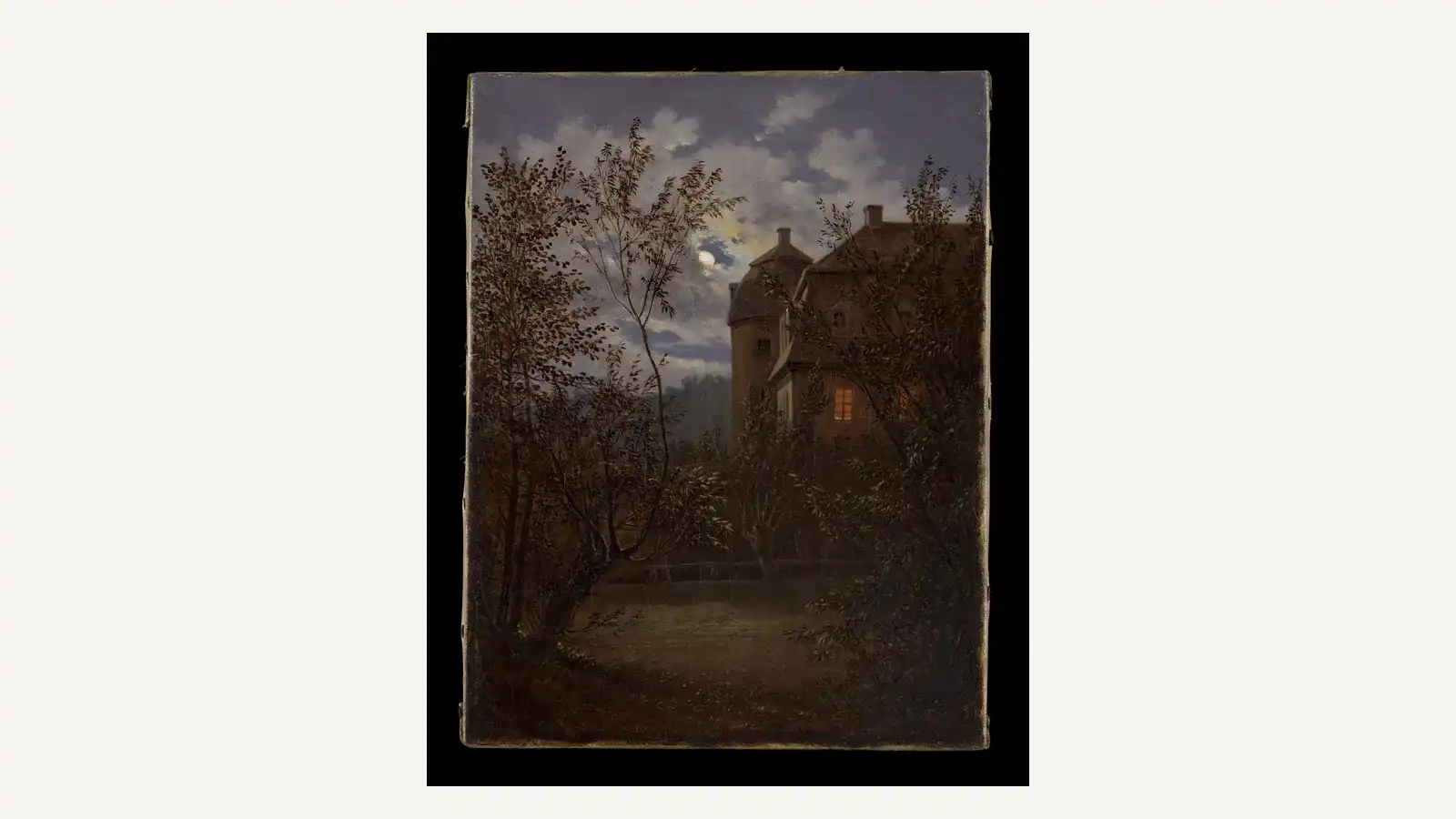
Of all the customs connected with Hekate, the Deipnon, “Hekate’s supper”, is the one modern devotees most often revive. It is small, monthly and practical, which is exactly why it lasts. In this lesson you will learn what the ancient evidence says about it, try a safe modern version and think about how a relationship with Hekate can grow over months and years without becoming a burden.
Hekate’s supper
Historical The evidence is thin but real. Aristophanes’ comedy Wealth (388 BCE) jokes that the poor could tell you whether Hekate prefers riches, since the rich send her a supper each month and the poor snatch it. Demosthenes’ speech Against Conon also mentions suppers for Hekate. From scattered references like these, scholars reconstruct a custom: at the end of each lunar month, households that could afford it set food at a crossroads, linked with cleansing the home before the new month.
The Athenian month
Historical To understand the Deipnon, it helps to know the Athenian calendar. Months followed the moon. The last day of the month was called hene kai nea, “the old and the new”. The next day, the noumenia, was the first of the new month, usually when the first thin crescent could be seen. The suppers for Hekate belonged to the turn of the month, when the old was cleared away.
Ancient sources also mention purification at this time. The leftovers of household cleansing, sometimes called oxythymia in later dictionaries, were carried out to the crossroads. The details come mostly from later Greek grammarians and commentators, so they are fragments, not a full instruction manual. Later writers such as Lucian, in the second century CE, still joke about hungry people eating Hekate’s suppers at the crossroads.
So the ancient custom had three parts that you can still recognize: clearing the house, a meal at the edge of the community and the poor who took the food. Some modern devotees honor that last part by giving to a food bank around the dark moon. I like that idea a lot. It is modern, and it keeps the old meal useful.
A modern Deipnon
Modern Today many people keep a small Deipnon on the evening of the dark moon, just before the new moon. A simple version:
- Tidy one small area of your home: a shelf, a drawer, the doormat.
- Light your candle or LED at your shrine and greet Hekate as in lesson 6.
- Set out a little bread, honey or a boiled egg on a plate.
- Say what you are leaving behind with the old month, in one sentence.
- Sit a minute, then thank her and put out the flame.
The next day, put the food in the compost or household waste. Do not leave food outdoors where pets or wildlife may eat it, and never offer anything you would not handle safely yourself. My Deipnon guide has a fuller rite and notes on food safety.
Living with Hekate over time
Modern A long practice is built from small, regular things. The dark moon Deipnon and a greeting at the new moon give you twelve or thirteen moments a year, and my dark moon page explains the timing. Before a big choice, you might stand at your threshold for a minute and name the choice out loud.
Return to Hesiod and the Hymn once a year, and check every new claim against a source. Keep a journal with the date, what you did and what you noticed; over a year, the pages become your own record. And stay connected: talk about your practice with people you trust, and keep your everyday life full.
No practice guarantees protection, wealth or answers. What it can give is a rhythm, a sense of care and a place to stand at the crossroads.
Questions beginners ask
When exactly is the dark moon? Calendars list the astronomical new moon. Many people keep the Deipnon on the evening before or of that date. Because the Athenian month began with the first crescent, there is room for flexibility.
What if I miss a month? Nothing bad happens. Pick up again next month.
Can I eat the food afterward? In the ancient custom the household did not eat it, and many modern devotees follow that. Composting it or putting it in the waste is the simple choice.
Can I keep the Deipnon if I live with other people? Yes. It can be as quiet as clearing a drawer, setting out a plate for a few minutes and saying one sentence silently.
Is food outside allowed? Food left outdoors can harm pets and wildlife and attract pests. Keep it indoors and dispose of it safely.
Myths to drop:
- “The Deipnon is a dark or dangerous rite.” It was a household custom about clearing and renewal.
- “You must leave food at a real crossroads.” That was the ancient form. Indoors is safer and kinder today.
- “Bigger offerings bring bigger results.” A practice is not a transaction.
A worked example
Imagine someone keeping her first Deipnon on a dark-moon evening in November. She empties the drawer by the front door of old receipts, lights her LED, sets a slice of bread with honey on a saucer and says, “I leave behind the worry about the job interview.”
She sits for a minute and thanks Hekate. The next morning the bread goes into the compost. In her journal she writes three lines. By the following November she has twelve of these entries and can see her year in them: what she let go of, what changed and how small the ritual stayed.
Aristophanes’ joke, in an old translation
Historical The best-known ancient witness to Hekate’s suppers is a joke. In Aristophanes’ Wealth, also called Plutus, in the Athenian Society’s anonymous English translation (free on Project Gutenberg), Chremylus tells Poverty: “Ask Hecaté whether it is better to be rich or starving; she will tell you that the rich send her a meal every month and that the poor make it disappear before it is even served.” The joke only works if the audience knew the custom: wealthier households set out a monthly meal for Hekate, and hungry people took it.
The old translator’s footnote places these meals on the first day of the month, while many modern scholars link them to the last day, around the dark moon. The exact timing is debated. What the joke shows clearly is that the supper was a familiar, everyday custom, and that the food did not go to waste.
A year of dark moons
There are about twelve and a third lunar months in a solar year, so most calendar years hold twelve dark moons and some hold thirteen. That gives you a gentle rhythm. If you keep the Deipnon for a year, you will have twelve or thirteen short evenings of clearing and renewal. A simple way to track them is to write the dates in your diary at the start of the year, using an astronomical calendar for your time zone.
Deipnon variations
The one-minute Deipnon. Light a candle, say “Hekate, I honor you at the turning of the month”, name one thing you are leaving behind, and put the candle out.
The household Deipnon. Give the home a quick tidy: empty the bins, wipe a counter, sweep the doorstep. Then sit with a candle and a small plate of bread or fruit for a few minutes.
The journaling Deipnon. Look back at the month. Write three things you are grateful for, one thing you are letting go of and one thing you hope for in the new month.
The shared Deipnon. If someone in your household is interested, keep it together. Each person names one thing to leave behind. Children can help choose the food.
The giving Deipnon. Remembering that the ancient suppers fed the poor, some modern devotees donate food or money to a food bank once a month. This keeps the spirit of the custom and does real good.
A worked example: one evening, step by step
At the end of the month you check the calendar and find the dark moon falls tonight. After dinner you empty the kitchen bin and wipe the table. You set out a small plate with a piece of bread and an egg, and you light a tea light.
You say a short greeting, name one worry from the month that you want to put down, and sit quietly for two minutes. You put out the candle, compost the food, and write one line in your notebook. The whole evening takes about fifteen minutes, and the next morning, at the new month, you begin with a clear table.
Try this
Look up the date of the next new moon. Write a three-line plan for a small Deipnon: what you will tidy, what simple food you will offer and how you will dispose of it safely.
Journal prompts: What would I like to clear out with each old month? What small, regular practice can I keep for a whole year? How would I like to share the spirit of the Deipnon with people who need food?
Recap
The ancient Deipnon was a supper for Hekate set out at the crossroads at the end of the lunar month, known from Aristophanes, Demosthenes and later commentators and linked with cleansing the home. A modern Deipnon on the dark moon can be as simple as tidying, a greeting, a little food and one sentence about the month, with the food composted or put in the waste the next day. A long practice grows from small, regular attention, honest reading and a full everyday life.
What next
You have finished the history and first practice of Hekate for Beginners. Press “Mark as done” and continue with Your first month with Hekate, where the practical half of the course begins. For the fuller rite, see my Deipnon guide.
Further reading: Jon D. Mikalson, The Sacred and Civil Calendar of the Athenian Year (Princeton University Press, 1975). Robert Parker, Polytheism and Society at Athens (Oxford University Press, 2005). Sarah Iles Johnston, Restless Dead (University of California Press, 1999) discusses Hekate’s suppers and the crossroads.
Sources
- Aristophanes, Wealth (388 BCE).
- Demosthenes, Against Conon (Oration 54).
- Sarah Iles Johnston, Hekate Soteira (Atlanta: Scholars Press, 1990).
- Lauri Mukkala, The Novice’s Guide to Witchcraft, chapter 7, “Moon Magic”.
Quick check
Go deeper: the Hekate pages on this site, and The Novice's Guide to Witchcraft
Get the free Mini-Grimoire
A short printable starter guide to tarot and everyday witchcraft, plus my newsletter. Unsubscribe any time.
Opens Substack in a new tab to confirm. More about the newsletter · Privacy
Comments
Questions and notes from readers. Anyone with a free account can comment, and I reply when I can. Please read the community guidelines.
Comments load from Google Firebase (EU) when you ask for them. Nothing is stored on your device. Privacy