


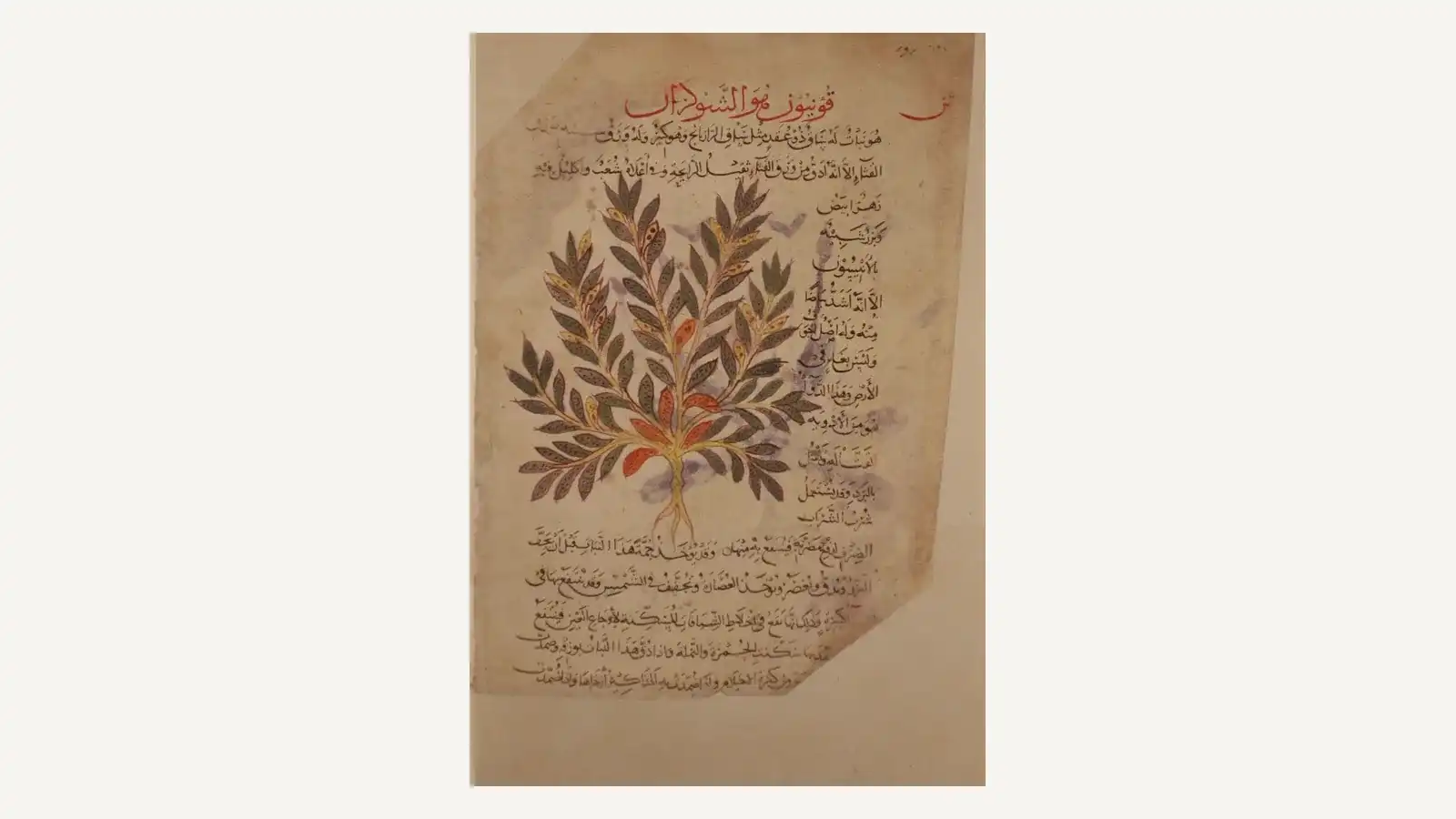
In this lesson: plant safety, the poisonous plants we never use, the botulism rule for oils, a simple charm bag and one intentional meal.
Plants are where many people first feel the pull of witchcraft: a jar of rosemary, a lavender sachet, a pot of soup stirred with care. They are also where beginners most often get hurt, because some famous “witch” plants are poisons and some ordinary kitchen habits can make people ill. This lesson puts safety first and meaning second. By the end you will know the rules that keep you, your household and your pets safe, and you will have a simple way to bring attention into everyday cooking.
Why plants
Historical Plants are among the oldest materials in folk craft: food, scent, dye, smoke and symbol. Cunning folk and household healers knew their local plants well. Some of that knowledge was good medicine, and some of it was dangerous.
Modern Today, plant magic for beginners means grocery herbs, garden plants you can identify and dried herbs you buy labeled. That is plenty to work with for years.
The safety rules
These five rules come before any spell, charm or recipe.
- Identify it. Use the Latin name when you can. Never use a wild plant you cannot name with confidence.
- Separate uses. Culinary herbs in recipe amounts are food. Ritual oils, incense and charm bags are not medicine and not automatically edible.
- Respect essential oils. They are concentrated. Never swallow them, never put them on skin undiluted and keep them away from children and pets, including diffusers near cats and birds.
- Check medication and pregnancy. If you are pregnant, nursing, giving herbs to children or taking medication, skip herbal teas beyond ordinary food amounts unless a doctor or pharmacist says yes. St John’s wort, for example, can weaken birth control pills and some antidepressants.
- Poison help first. If someone may have swallowed a plant or oil, contact your local poison information center or emergency services before anything else.
Plants we never use
Some plants famous in witch lore are poisonous, and small amounts or even skin contact can cause serious harm. This course never uses foxglove, deadly nightshade (belladonna), datura, mandrake, poison hemlock or pennyroyal. They belong in history books and botanical gardens, not in your practice.
Correspondences are folklore maps
Later tradition Herb lists that pair plants with love, money or protection are folk teaching maps, not lab results. Rosemary is linked with remembrance, lavender with calm, and cinnamon with warmth and welcome. Use them as a language for your attention. Remember that lavender is toxic to cats and dogs if eaten, so keep sachets out of their reach. The old “doctrine of signatures”, reading a plant’s shape as a sign of its use, is history, not a safety test.
The botulism rule
Never keep fresh garlic or fresh herbs covered in oil at room temperature. Low-acid plant material in airless oil can grow the bacteria that make botulism toxin, which you cannot see, smell or taste. For candle-dressing oil, use only fully dried herbs and label the jar “Ritual only. Not food. Not for skin.” For anything you might eat, refrigerate homemade herb oils and use them within four days, or freeze them, as food safety services advise.
Herbs in history: from Dioscorides to the cunning folk
Historical The most influential herbal of the ancient world was written by Dioscorides, a Greek physician who served in the Roman army, around 60 to 70 CE. His De Materia Medica described about 600 plants and was copied for over 1,500 years. A famous illustrated copy, the Vienna Dioscorides, was made around 512 CE and is now in the Austrian National Library. Medieval monasteries grew medicinal gardens, and the plan of the Abbey of Saint Gall in Switzerland, drawn around 820, shows a garden with named beds of herbs such as sage, rue and fennel.
Historical In the early modern period, printed herbals spread herbal knowledge widely. John Gerard’s Herball (1597) and Culpeper’s Complete Herbal (1653) were best sellers. Cunning folk and housewives used herbs for both medicine and charms. Many of these remedies were ineffective or dangerous by modern standards, which is why this lesson insists on modern safety rules even when you enjoy the folklore.
Kitchen herbs and their folklore, with sources
Rosemary (Salvia rosmarinus): linked with memory and remembrance, as in Shakespeare’s Hamlet. Used at weddings and funerals in early modern England. Bay (Laurus nobilis): the laurel of Apollo in Greek myth; victors at the Pythian Games received laurel wreaths. Basil (Ocimum basilicum): in Hindu tradition, holy basil (tulsi, a related species) is sacred; in Italian folklore, basil is linked with love. Sage (Salvia officinalis): its Latin name relates to salvere, “to be healthy”, and medieval writers praised it for health. Thyme (Thymus vulgaris): often linked with courage in later European folklore, though the oldest form of that story is hard to trace. Each of these is safe in normal cooking amounts for most people.
A worked kitchen practice
Here is a simple, safe kitchen practice. Choose one meal this week. Before cooking, wash your hands and take one breath to set an intention, for example “This soup is for rest”. As you add rosemary, say silently what it means to you, perhaps remembering someone you love. Stir clockwise if you like, an old folk custom for drawing things in, though stirring direction has no proven effect. Eat the meal slowly and write one line in your journal afterward. The magic here is attention and care, and the food is simply good food.
Kitchen witchcraft
Modern Kitchen witchcraft treats ordinary cooking as a place for attention and care. Many kitchen witches keep no separate altar: the stove, the table and a clean counter are enough. The magic is in your attention, not in a guarantee.
Imagine a friend is coming over after a hard week. You choose a soup you know well. Before you heat anything, you check: does she have allergies? You chop onions and think about warmth. As you stir in a little rosemary, you say quietly, “for remembering that she is not alone.”
You serve it, and leftovers go in the fridge within two hours. Nothing in the pot was risky, nothing was hidden from your guest and the whole meal carried your care. Moon water and essential oils never go in food, and you never add anything “magical” to someone else’s plate without telling them.
Drying and storing your herbs
Drying a few kitchen herbs is one of the simplest and most satisfying things a beginner can do. Pick healthy sprigs of rosemary, thyme or sage on a dry morning. Tie a small bunch with string and hang it upside down somewhere airy, out of direct sun and away from the steam of the stove. After one to two weeks the leaves should crumble easily between your fingers.
Strip the leaves into a clean, dry glass jar with a lid. Label the jar with the plant’s common name, its Latin name and the date. Dried herbs slowly lose their scent and flavour, so many cooks replace them after about a year. If you ever see mould, a damp smell or insects, throw the whole batch away. Nothing in a spell is worth eating spoiled food.
A variation for small spaces. A pot of basil or parsley on a windowsill is a herb garden too. Water it, turn it towards the light now and then, and pick from the top so it grows bushy. Tending one plant well teaches more than buying many.
A beginner’s worry, answered. “I am not sure whether a wild plant I found is safe.” Then do not use it. Many safe and poisonous plants look alike, especially in the carrot family. Stick to herbs you bought as food or grew from a labelled packet until you have learned from an experienced local forager.
Questions beginners ask
Can I drink herbal teas for magical purposes? Common culinary herbs in tea are usually safe for healthy adults, but check for allergies, pregnancy cautions and interactions with medicines. Ask a pharmacist if in doubt.
Can I forage wild herbs? Only if you can identify them with complete confidence. Many poisonous plants look like edible ones; for example, deadly hemlock can be confused with wild carrot or parsley.
Are essential oils safe? They are concentrated chemicals. Never swallow them, dilute them for skin, and keep them away from cats, for whom some oils are toxic.
What about burning herbs? Burn only small amounts of known safe herbs in a ventilated room, and avoid it around people with asthma.
Myths to drop: “Natural” does not mean safe. Ancient herbals are not reliable medical guides. And no herb can replace medical treatment.
Try this
Label and sort the herbs you already own. Write the common name, the Latin name if you know it, the date and “food” or “ritual only” on each jar. Throw out anything unlabeled, moldy or rancid. Then, if you like, make a simple charm bag: a paper slip with your intention from lesson 2 and a pinch of dried rosemary or mint, tied in cloth.
Journal prompts: Which herb in my kitchen do I feel most connected to? What do I know about its history, and what have I only assumed? How did cooking with intention change the meal for me?
Recap
Plant magic starts with identification and with keeping food and ritual uses apart. Essential oils are concentrated, some herbs interact with medicines, and the poisonous plants of witch lore are never part of this course. Correspondences are folklore maps for your attention, not proof. Fresh herbs in oil at room temperature risk botulism. Kitchen witchcraft is careful, honest cooking with clear attention, and guests always know what they are eating.
What next
Press “Mark as done” and continue with The moon and the Wheel of the Year. For more, see herbs and plant magic, rosemary and kitchen witchcraft.
Further reading: Dioscorides, De Materia Medica, translated by Lily Y. Beck (Olms, 3rd edition 2017). The Royal Botanic Gardens, Kew, has public pages on poisonous plants and plant identification.
Sources
- Lauri Mukkala, The Novice’s Guide to Witchcraft, chapter 6, “Herbs and Plant Magic”, and chapter 12, “Kitchen Witchcraft”.
- Oregon State University Extension Service, Herbs and vegetables in oil (SP 50-701), https://extension.oregonstate.edu/catalog/pub/sp-50-701-herbs-vegetables-oil
- National Center for Complementary and Integrative Health, St. John’s Wort: Usefulness and Safety, https://www.nccih.nih.gov/health/st-johns-wort
Quick check
Go deeper: The Novice's Guide to Witchcraft
Get the free Mini-Grimoire
A short printable starter guide to tarot and everyday witchcraft, plus my newsletter. Unsubscribe any time.
Opens Substack in a new tab to confirm. More about the newsletter · Privacy
Comments
Questions and notes from readers. Anyone with a free account can comment, and I reply when I can. Please read the community guidelines.
Comments load from Google Firebase (EU) when you ask for them. Nothing is stored on your device. Privacy